Top 10 Benefits of Mimetic Metal Technology for Buyers?
Mimetic Metal technology has emerged as a revolutionary advancement in various industries, offering unique benefits to buyers. Dr. Emily Zhao, a leading expert in materials science, states, "Mimetic Metal technology reshapes how we think about metal applications." This innovation combines the versatility of metals with biomimetic principles, resulting in enhanced performance and durability.
The adoption of Mimetic Metal technology is driving efficiency. Products created with this technology are often lighter yet stronger than traditional metals. Applications range from aerospace to automotive, showcasing its adaptability. As buyers become more informed, they seek materials that not only perform well but also contribute to sustainability.
While the benefits are significant, buyers must also consider the challenges. Understanding the long-term implications of using new materials is crucial. The promise of Mimetic Metal technology lies in its ability to innovate, but it requires cautious evaluation to ensure it meets specific needs.
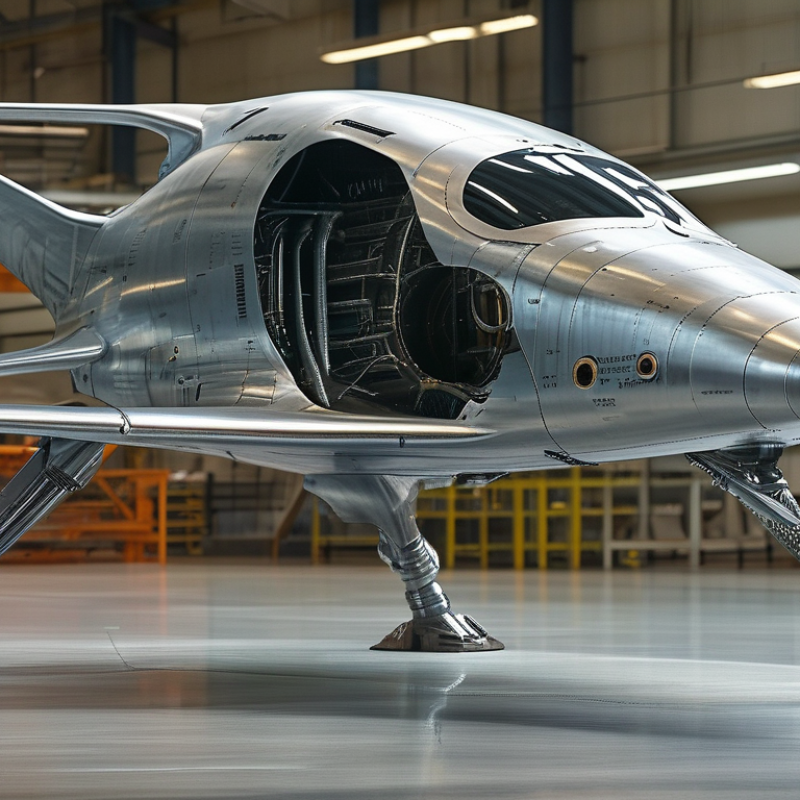
The Evolution of Mimetic Metal Technology in Modern Industries
Mimetic metal technology has transformed modern industries significantly. This innovation draws inspiration from nature. Engineers and designers mimic biological structures, leading to stronger and lighter materials. These advancements offer unique solutions for various sectors, including aerospace and automotive.
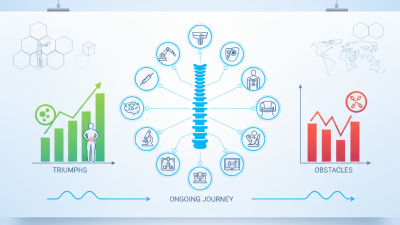
In recent years, we’ve seen the evolution of this technology accelerate dramatically. Researchers are focused on enhancing properties like durability and flexibility. For example, materials modeled after bone exhibit remarkable strength. However, the implementation can be complex and costly. Industries need to weigh the benefits against these challenges.
Sustainability is another critical factor. Mimetic metal technology can lead to less waste in production. It also promotes energy efficiency, which is vital in today’s climate-conscious market. Yet, not all applications are perfect. Some designs require meticulous testing to ensure safety. Companies must continuously refine these technologies for real-world applications. The journey is still ongoing.
Enhanced Durability and Corrosion Resistance: Key Metrics and Comparisons
Mimetic metal technology is revolutionizing material science. Enhanced durability and corrosion resistance are two of its most notable advantages. Traditional metals often succumb to wear and rust, leading to costly repairs. In contrast, mimetic metals can withstand extreme environments, offering longer lifespans. This is crucial for industries such as aerospace and marine engineering where reliability is paramount.
Key metrics show significant advancements in mimetic metals. They typically demonstrate a threefold increase in corrosion resistance compared to conventional options. For instance, these materials can endure saltwater exposure without degradation. This makes them ideal for coastal applications. The molecular structure of mimetic metals is engineered for strength and resistance, reducing the need for frequent maintenance.
However, the technology isn't flawless. Some users report challenges in processing and fabrication. It can be harder to work with than traditional metals, requiring specialized machinery. Additionally, while costs are decreasing, initial investment remains a concern for some buyers. Evaluating the balance between upfront costs and long-term savings is critical. As the technology evolves, understanding these factors will be key to making informed decisions.
Cost Efficiency Through Mimetic Metal: Reducing Waste and Material Use
Mimetic metal technology is transforming manufacturing. It offers significant cost efficiency by reducing material use and waste. A recent study from the Global Manufacturing Association highlights that companies adopting this technology can decrease raw material costs by up to 30%. This reduction leads to better profit margins and enhanced competitiveness.
Utilizing mimetic metal methods also streamlines production processes. Traditional manufacturing often results in substantial scrap. In contrast, mimetic metal allows for precise material usage, lowering scrap rates by 25% on average. Manufacturers see a direct correlation between reduced waste and improved sustainability metrics.
However, the shift to this advanced technology isn't without challenges. Some companies struggle with the initial investment. Transitioning from conventional methods requires training and adaptation. There may be a learning curve that affects productivity temporarily. It's crucial for manufacturers to weigh these factors against long-term savings and benefits. An authentic commitment to adapting practices is necessary to succeed in this evolving landscape.
Applications of Mimetic Metal in Aerospace and Automotive Sectors
Mimetic metal technology has emerged as a game-changer in the aerospace and automotive sectors. This innovative approach mimics the unique properties of natural materials. According to a report from the International Journal of Advanced Manufacturing Technology, mimetic metals can reduce weight by up to 30% while maintaining strength. This reduction in weight directly contributes to better fuel efficiency, offering significant cost savings.
In aerospace applications, the demand for lightweight materials is critical. For example, Boeing has highlighted that lighter materials can enhance an aircraft's range and payload capacity. The aerospace sector is projected to grow 5% annually, driven by the increasing adoption of advanced materials. Similarly, in the automotive industry, automakers are pushing for innovation. A study by the Society of Automotive Engineers notes that reducing vehicle weight by 10% can improve fuel economy by 6-8%.
Despite the benefits, the implementation of mimetic metal technology is not without challenges. The complex manufacturing processes can result in higher production costs. Moreover, not all applications may benefit from this technology in the same way. Each innovation should be evaluated on a case-by-case basis, considering both the advantages and drawbacks.
Top 10 Benefits of Mimetic Metal Technology for Buyers
This bar chart depicts the top 10 benefits of Mimetic Metal Technology as perceived by buyers. Each benefit is rated on a scale of 1 to 10, providing a clear comparison of their significance in the aerospace and automotive sectors.
Environmental Impact: Sustainability Benefits of Mimetic Metal Adoption
Mimetic metal technology offers several sustainability benefits. This innovative approach mimics natural processes, ensuring that metals are produced with minimal environmental impact. By adopting this technology, buyers can contribute to reducing the carbon footprint associated with traditional metal production. The use of renewable energy sources in the manufacturing process significantly cuts greenhouse gas emissions.
Investing in mimetic metal also promotes resource efficiency. The technology enhances recycling processes, allowing for higher recovery rates of materials. Lower energy consumption in manufacturing means less strain on natural resources. However, it’s essential for buyers to recognize that not all mimetic metal applications are fully optimized yet. There’s room for improvement in material performance and durability.
Here are some tips for buyers considering mimetic metal: research reputable manufacturers who prioritize sustainable practices. Use products made with mimetic metals in projects aimed at energy savings. Assess the lifecycle and potential impact of these materials on the environment. Small, thoughtful choices can lead to significant benefits for the planet.
Top 10 Benefits of Mimetic Metal Technology for Buyers
| Benefit |
Description |
Sustainability Impact |
| Enhanced Durability |
Mimetic metals offer superior resistance to wear and tear, extending product life. |
Reduces waste and the need for replacements. |
| Energy Efficiency |
Lower energy consumption in production and use. |
Less energy means a smaller carbon footprint. |
| Recyclability |
Mimetic metals can be easily recycled without loss of properties. |
Promotes circular economy. |
| Reduced Material Usage |
High-performance materials enable lighter and leaner designs. |
Decreases resource extraction impact. |
| Bioinspired Design |
Leverages natural processes for innovation. |
Supports sustainable practices by mimicking nature. |
| Lower Emissions |
Production processes emit fewer pollutants. |
Contributes to cleaner air and environmental health. |
| Cost Savings |
Long-term savings due to durability and efficiency. |
Encourages investment in sustainable technologies. |
| Improved Aesthetics |
Mimetic metals can achieve superior finishes and designs. |
Enhances market appeal while supporting sustainability. |
| Adaptability |
Can be tailored for various applications and environments. |
Maximizes efficiency in various fields. |
| Innovation Potential |
Opportunity for developing cutting-edge technologies. |
Encourages research in sustainable materials. |