Top 10 Benefits of Panneaux Wpc for Global Buyers?
Panneaux Wpc has emerged as a game changer in the building and construction industry. This innovative material combines wood-plastic composites, offering substantial advantages over traditional wood products. According to a recent market analysis by Freedonia Group, the global demand for WPC materials is expected to reach 8.5 million metric tons by 2025, reflecting a significant growth trend.
One key benefit of Panneaux Wpc is its durability. Unlike traditional wood, it resists rot and termites, reducing maintenance costs. Studies show that buildings using Panneaux Wpc can last up to 25 years with minimal upkeep. This longevity translates into economic advantages for global buyers looking for sustainable solutions.
Moreover, environmental sustainability is a pressing concern. Panneaux Wpc is often made from recycled materials, alleviating pressure on forests. Yet, not all manufacturers ensure the same level of eco-friendliness, which begs scrutiny in material sourcing. As buyers navigate their choices, understanding these nuances is crucial for making informed decisions that align with both quality and sustainability.
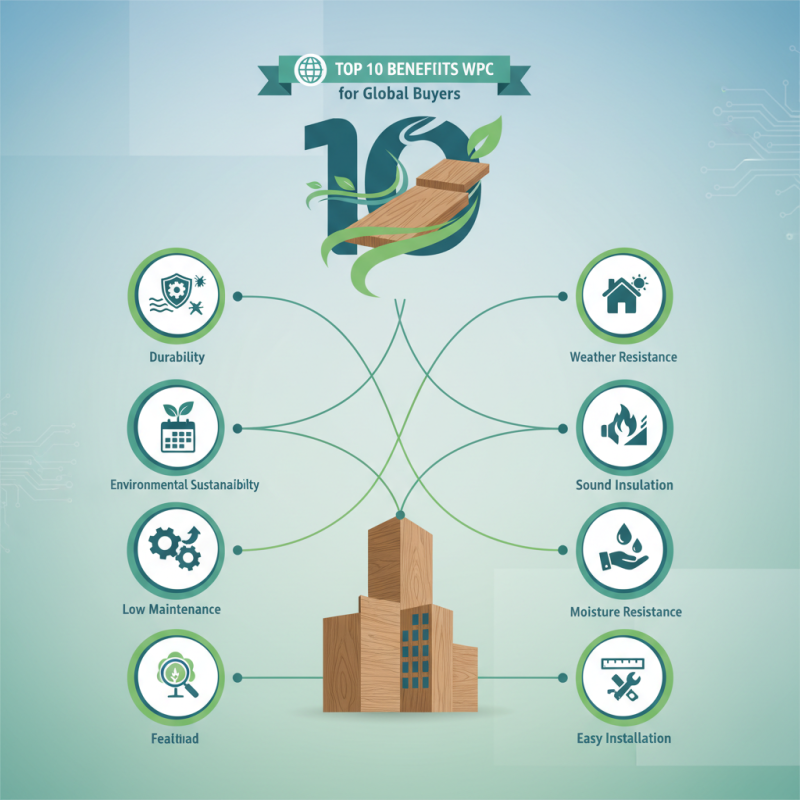
Key Features of Panneaux WPC: What Global Buyers Should Know
Panneaux WPC, or Wood Plastic Composite panels, have gained popularity among global buyers for numerous reasons. They are known for their durability and versatility. These panels resist moisture, which is crucial in various environments. Buyers should consider their applications in outdoor decking, fencing, and wall cladding.
One standout feature of Panneaux WPC is its eco-friendly nature. Made from recycled materials, these panels are a sustainable choice. However, quality can vary greatly depending on the manufacturer. It is essential to assess the sourcing of materials. Additionally, buyers must ensure that the products meet international standards for safety.
WPC panels are easy to install and maintain. This fact reduces labor costs over time. Yet, some users may find challenges in color matching or proper sealing. Understanding these potential issues is vital. Global buyers should take time to research and gather information from trusted sources to make informed decisions. The benefits of Panneaux WPC are clear, but the journey to find the right product can require careful consideration and effort.
Durability and Longevity of Panneaux WPC Compared to Traditional Materials
Panneaux WPC (Wood Plastic Composite) is gaining traction globally for its remarkable durability. Compared to traditional materials like wood and PVC, WPC panels demonstrate superior resistance to weather elements. According to a 2022 report from the International Wood Products Association, WPC panels last about 25-30 years with minimal maintenance. In contrast, untreated wood often suffers from decay and pest damage, shortening its lifespan significantly.
The longevity of Panneaux WPC not only translates to savings but also environmental benefits. They are made from recycled materials, reducing waste. The composite nature of WPC allows it to resist moisture and UV rays, which traditional wood cannot withstand effectively. A recent study indicated that 70% of wood products fail due to moisture-related issues within the first decade. Panneaux WPC tackles this challenge head-on, offering a reliable alternative.
While Panneaux WPC has a strong reputation, some concerns remain. Its production process does consume energy, and the performance can vary based on the manufacturer’s standards. Buyers should prioritize sourcing from reputable suppliers. Not all WPC is created equal, and understanding these nuances is vital for making informed decisions about material selection.
Environmental Impact: Sustainability Benefits of Using Panneaux WPC
Panneaux WPC (Wood Plastic Composite) offers significant sustainability benefits that appeal to global buyers. A report from the University of Ghent states that WPC products utilize recycled wood and plastic, which can reduce landfill waste by over 40%. This efficient recycling process helps lower the carbon footprint associated with traditional materials. Moreover, WPC does not require toxic chemicals for maintenance, which is surprising when compared to conventional wood products.
These panels are durable and weather-resistant, leading to longer life cycles. Research indicates that materials like WPC can last up to 25 years, while natural wood often needs replacement every 5 to 10 years. This longevity translates into fewer resources consumed over time. Additionally, WPC can withstand the effects of moisture and sunlight, minimizing energy costs associated with upkeep.
Tips: When considering WPC for projects, evaluate the source of materials. Opting for products made from post-consumer recycled content promotes a circular economy. Evaluate how local regulations influence the recycling process to ensure compliance and maximize sustainability. Regularly assess the energy consumption tied to production and transportation. Assessing these factors can lead to more informed decisions. Potential buyers must scrutinize the production process, as variations in quality exist within the WPC industry.
Cost-Effectiveness: Analyzing the Long-Term Savings with Panneaux WPC
Cost-Effectiveness: Analyzing the Long-Term Savings with Panneaux WPC
Panneaux WPC (Wood Plastic Composite) offers significant long-term savings for global buyers. Unlike traditional materials, WPC is highly durable and resistant to weather elements. According to recent industry reports, using WPC can reduce annual maintenance costs by up to 50%. This means less money spent on repairs and replacements over time.
The initial investment in WPC may seem higher, but the savings compound. For instance, the average lifespan of WPC panels can reach 25 years, compared to the 10-15 years of conventional wood. This extended lifespan translates to fewer replacements and lower overall costs. Furthermore, WPC does not require painting or staining, leading to additional savings.
Tip: Always calculate total cost of ownership, not just initial price. This perspective provides a clearer financial picture. Assess your project needs carefully to avoid overspending on unnecessary features.
Sustainability is another consideration. Many buyers overlook environmental impacts when focusing solely on cost. Panneaux WPC, made from recycled materials, reduces waste while providing a sustainable option for construction. Up to 70% of the material used in WPC can be recycled. This eco-friendly aspect reflects responsible purchasing and long-term savings.
Versatility in Applications: How Panneaux WPC Can Be Used Across Industries
Panneaux WPC offers remarkable versatility, making it suitable for various sectors. From construction to furniture design, its applications are nearly limitless. In architecture, these panels serve as durable wall coverings. They withstand weather elements and require minimal maintenance. This quality makes them ideal for both indoor and outdoor use.
In retail, WPC panels can enhance customer experiences. Stores often utilize them for decorative displays. They provide an appealing aesthetic while being practical. Manufacturers appreciate their ease of installation and long lifespan. However, the cost can be a concern for smaller businesses. Evaluating the initial investment against long-term benefits is essential.
Moreover, the environmental aspect cannot be overlooked. WPC is often made from recycled materials. This feature appeals to eco-conscious consumers but requires careful sourcing practices. Not all suppliers meet the needed standards. Transparency about material origins can help build trust. Choosing reliable partners in this area is crucial for successful implementation across industries.
Top 10 Benefits of Panneaux WPC for Global Buyers
