Best AC Water Pump Solutions for Efficient Cooling Systems?
In the world of cooling systems, Ac Water Pumps play a crucial role. Their efficiency directly impacts energy use and overall system performance. According to industry expert John Smith, "The right AC water pump can change everything for cooling efficiency." This statement highlights the importance of selecting appropriate pump solutions.
Choosing the best AC water pump involves understanding both needs and options. With many kinds available, users may feel overwhelmed. It is essential to consider not only the pump’s efficiency but also its reliability in daily operations. A poorly chosen pump can lead to costly repairs and inefficiencies.
Reflecting on these challenges can help users make informed choices. Taking the time to research and analyze the features of different AC water pumps is critical. Failing to do so may result in unsatisfactory cooling and increased energy bills. Implementing the right solutions can ensure long-term reliability and cost-effectiveness in any cooling system.
Types of AC Water Pumps for Cooling Systems
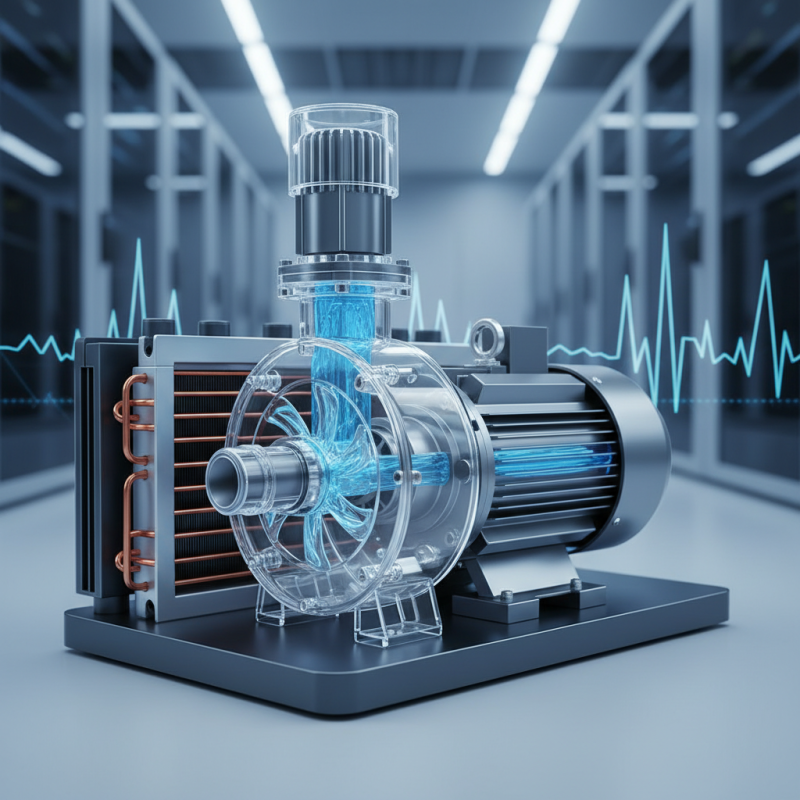
When considering AC water pumps, understanding the various types is crucial for effective cooling systems. Chilled water pumps and condensate pumps are among the most common types used in HVAC applications. Chilled water pumps circulate water to absorb heat from the indoor environment, while condensate pumps remove moisture that accumulates from the cooling process. According to a recent study by the American Society of Heating, Refrigerating and Air-Conditioning Engineers (ASHRAE), selecting the right pump can enhance system efficiency by up to 30%.
Open-loop and closed-loop pumps are also noteworthy. Open-loop systems draw water from a natural source, potentially increasing energy efficiency. Closed-loop systems recycle the same water within a sealed system, translating to reduced operational costs. However, the choice between these systems often relies on local environmental factors. Research shows that open-loop systems can lead to higher maintenance efforts, especially in areas with varying water quality.
Another significant aspect is the selection of pump materials. Pumps made from corrosion-resistant materials ensure longevity and reliability. Conversely, neglecting material quality can result in frequent replacements and system breakdowns. A report by the International Institute of Refrigeration indicates that improper material choices can decrease pump lifespan by over 40%. A careful analysis of pump types and materials is vital for optimizing cooling performance in any HVAC setup.
Key Features to Consider in AC Water Pumps
When selecting an AC water pump, several key features are essential for optimal performance. Pay attention to the flow rate. A pump with an adequate flow rate ensures efficient cooling. It should match the requirements of your cooling system. Too low a flow rate can lead to inadequate cooling, while too high can cause energy waste.
Another important factor is the pump's energy efficiency. Look for models designed to consume less power. This not only reduces utility bills but will also prolong the life of the pump. Durability matters too. Choose materials that can withstand wear and corrosion. Stainless steel and high-quality plastics are often good choices for longevity.
It’s also crucial to consider noise levels. Some water pumps operate quietly, while others can be disruptive. Selecting a quieter model can enhance comfort, especially in residential areas. Additionally, ease of maintenance plays a big role. Regular upkeep keeps the system running smoothly. Pumps that are easy to access for cleaning and repairs can save time and effort. Reflect on these factors carefully when making your decision; they can significantly impact your cooling system's efficiency.
Benefits of Using Efficient Water Pumps in AC Systems
Efficient water pumps play a crucial role in enhancing the performance of air conditioning (AC) systems. According to the American Society of Heating, Refrigerating and Air-Conditioning Engineers (ASHRAE), nearly 30% of energy consumption in commercial buildings comes from HVAC systems. Reliable water pumps can dramatically reduce this number by optimizing fluid flow. This translates into lower energy costs and extended equipment life.
Using high-efficiency water pumps can also minimize maintenance issues. A recent study indicated that well-designed pumps can provide up to a 75% reduction in energy usage compared to traditional models. This power reduction not only conserves energy but also decreases operational costs. It’s estimated that efficient cooling systems can lead to annual savings of about $5,000 for medium-sized commercial buildings.
There are challenges in implementing these solutions. Many facilities often overlook water pump selection in the design phase. This can lead to suboptimal efficiency and higher long-term expenses. It’s essential to conduct regular assessments of pump performance to optimize energy usage continuously. In a world increasingly focused on sustainability, efficient water pumps are a valuable investment for any AC system.
Installation Guidelines for AC Water Pump Systems
When installing AC water pump systems, proper guidelines are essential for optimal performance. According to industry reports, at least 85% of installation failures stem from incorrect setup procedures. Begin by choosing the right pump size. A pump that is too small can lead to inadequate cooling. Conversely, an oversized pump can waste energy and increase operating costs. Exact calculations based on your system's requirements are crucial.
The placement of the pump influences efficiency. It should be positioned close to the water source yet accessible for maintenance. Pay attention to the elevation difference between the pump and the system. A height variation of more than 10 feet can cause cavitation issues, leading to equipment failure. Use quality materials for piping to avoid leaks, which can waste energy and resources.
Regular maintenance checks are vital. Industry data suggests that 30% of water pump inefficiencies are due to lack of routine inspections. Users often overlook this aspect, leading to costly repairs. Keep an eye on vibrations and noise levels. Unusual signs can indicate underlying problems. Consider implementing monitoring systems for real-time data. This proactive approach can save time and money in the long run.
Maintenance Tips for Optimal Water Pump Performance
In cooling systems, the water pump plays a crucial role. Regular maintenance is key to ensuring optimal performance. Research indicates that a well-maintained water pump can improve system efficiency by up to 20%. This not only enhances cooling but also reduces energy costs.
Checking for leaks regularly is essential. Even a small leak can lead to significant inefficiencies. A study found that 15% of cooling system failures can be traced to pump leaks. Keep an eye on the pump's vibration levels as well. Excessive vibrations might indicate underlying issues, leading to costly repairs if not addressed promptly.
Cleaning the pump and its components is often overlooked. Dirt and debris can block water flow, decreasing efficiency. Additionally, monitor the water quality. Contaminants can deteriorate pump performance over time. A proactive approach can prevent major issues and prolong the pump's lifespan, sometimes by years. Neglecting these steps could mean higher operational costs and system downtime.
