In the dynamic world of automotive parts, selecting the right Auto Brake Caliper can feel daunting. Experts like Dr. Emily Johnson emphasize, “Choosing the right caliper can significantly improve your vehicle’s performance.” With countless options available, this market offers a complex landscape for global importers.
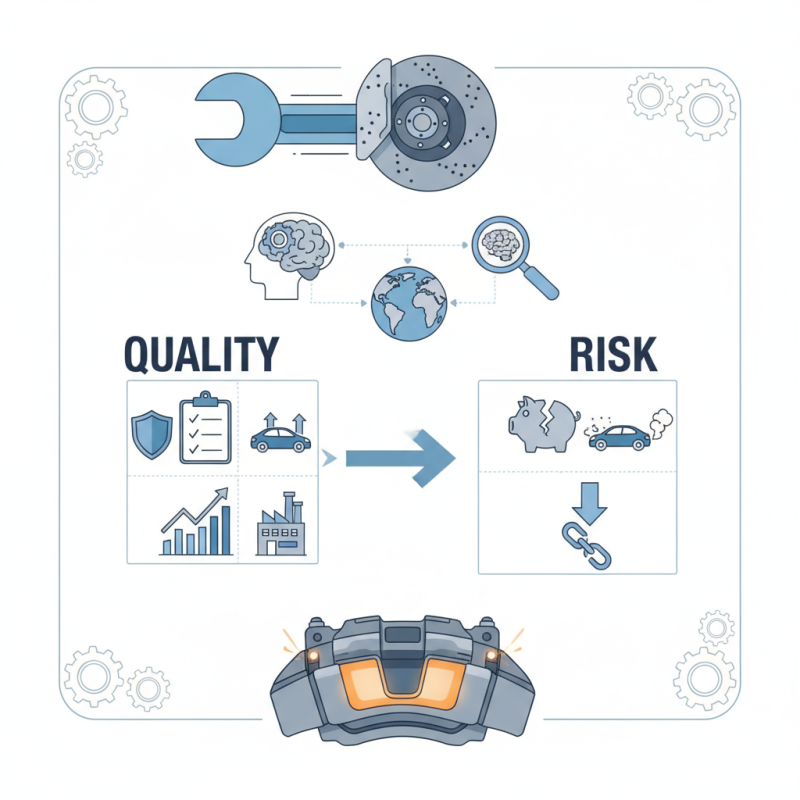
Auto Brake Calipers are critical components that ensure safe vehicle operation. A quality caliper enhances braking efficiency and driver safety. However, not all calipers are created equal. Budget constraints might tempt importers to choose less reliable brands. This approach can lead to costly mistakes down the line. Focus on reliability and performance to avoid future regrets.
Importers must prioritize quality over cost. Look for established manufacturers known for their expertise. Seeking a reputable supplier ensures access to high-quality Auto Brake Calipers. A well-informed choice now can prevent frustrations in the future, creating a dependable auto part supply that meets the demands of the industry. The right brake caliper can make all the difference; it’s worth the careful consideration.
Understanding auto brake calipers is essential for any importer in the automotive industry. Brake calipers play a critical role in vehicle safety. They house the brake pads and apply pressure to the brake discs. This pressure generates the friction needed for a vehicle to stop effectively.
There are two main types of brake calipers: floating and fixed. Floating calipers move in relation to the brake disc. They are typically lighter and more cost-effective. Fixed calipers, however, remain stationary and have pistons on either side. This design allows for a more consistent braking force but can be more expensive and heavier. Each type has its own advantages and disadvantages. Importers need to consider these factors carefully.
The material of the caliper also matters. Aluminum calipers are lightweight and resistant to corrosion, improving performance. Cast iron calipers are heavier but may offer better durability in certain conditions. Importers should reflect on their specific needs and market demands. Understanding these details is vital for making informed purchasing decisions.
When selecting brake calipers, key specifications matter greatly. First, consider the material. Most calipers are made from aluminum or cast iron. Aluminum calipers are lighter and resist corrosion better, while cast iron calipers generally offer higher durability under stress. Look for weather-resistant coatings that enhance longevity.
Another factor is the design. Two main types exist: sliding and fixed calipers. Fixed calipers typically provide better stopping power. However, sliding calipers are easier to install and maintain. Ensure you evaluate the braking force distribution as well. Proper alignment directly impacts braking efficiency and safety.
Tips: Always check compatibility with your vehicle's make and model. This prevents costly mistakes. Remember, the price does not always reflect quality. It’s wise to read reviews from other users to gauge real-world performance. Don't overlook the warranty provided, as it reflects the manufacturer's confidence in their product. Find a balance between budget and reliability for a suitable choice.
As global demand for automotive brake calipers continues to rise, import statistics reflect significant market trends. According to industry reports, the global automotive brake caliper market was valued at approximately $5 billion in 2022, with an expected compound annual growth rate (CAGR) of 4.5% through 2030. This growth is driven by increasing vehicle production and evolving safety standards worldwide.
In 2023, regions like North America and Asia-Pacific marked a robust increase in imports, indicating a shift in buyer preferences and production strategies. Businesses should remain aware of fluctuating tariffs and trade policies, which may impact pricing strategies. Additionally, the demand for electric vehicles (EVs) is reshaping requirements for brake technology, pushing for lighter and more efficient designs.
Tip: Stay updated on market analytics and adjust your inventory accordingly. Understanding regional differences in brake caliper specifications can enhance your competitive edge.
While it's essential to align with current market trends, some importers face challenges related to quality control and supplier reliability. Many are realizing that not every supplier meets the stringent demands of today’s automotive market. Conducting thorough audits and selecting partners with proven track records can mitigate risks and enhance product integrity.
Material selection for auto brake calipers significantly influences their performance and durability. High-quality materials add reliability to braking systems. According to the Society of Automotive Engineers, materials like aluminum and cast iron are common in caliper manufacturing. Aluminum offers excellent strength-to-weight ratios, while cast iron is favored for its thermal stability. However, lighter materials may compromise heat resistance.
Durability varies based on the material used. Research shows that composite materials can enhance longevity but may lack the thermal properties of traditional metals. A study in the Journal of Materials Science indicates that calipers made of reinforced polymer can withstand greater thermal cycling, which is critical for performance under stress. Yet, this innovation may raise concerns about wear over time.
Importers must balance these factors. Choosing the right material directly affects performance and safety. Some materials may prove too brittle or prone to corrosion in certain environments. Understanding these nuances is essential for making informed purchasing decisions. This isn't always straightforward. Choice of material can lead to both expected benefits and unforeseen challenges. A thorough evaluation remains crucial in this context.
When considering auto brake calipers, industry leaders have set the standard. Their innovations keep pace with automotive technology. Manufacturers focus on efficiency, safety, and performance. Each advancement aims to enhance vehicle braking systems significantly.
Calipers serve a crucial role in maximized performance. Some brands have introduced lightweight materials that improve handling. Others prioritize heat dissipation features, reducing the risk of brake fade. As consumers become more knowledgeable, manufacturers strive for transparency. They increasingly share testing data with potential buyers. This helps build trust and inform decision-making.
However, not every innovation is without challenges. For instance, some materials may offer weight benefits but compromise durability. This trade-off can lead to greater costs over time. Importers must thoroughly evaluate these choices and consider long-term implications. It’s essential to keep the balance between innovation and reliability in mind. Understanding the latest trends can pave the way for informed purchasing decisions.
This chart provides a visual representation of the annual market size for auto brake calipers across various global regions. The data highlights the significant market presence in Asia, followed by North America and Europe.