Top 10 Effective Lumbar Spine Solutions You Need to Know?
Lower back pain is a prevalent issue affecting millions globally. According to the World Health Organization, nearly 80% of adults experience this condition at some point in their lives. Seeking effective lumbar spine solutions is essential for enhancing quality of life. Many individuals turn to various methods, from physical therapy to advanced surgical interventions, to address their pain.
Research indicates that over 25% of Americans suffer from chronic pain, with lumbar spine issues being a leading cause. The complexity of spinal anatomy makes it crucial to select appropriate lumbar spine solutions tailored to individual needs. Options range from non-invasive treatments, like acupuncture, to minimally invasive spine surgeries. Each solution has its own risks and benefits that must be evaluated carefully.
Finding the right approach can be daunting. Many people experience setbacks and may require multiple treatments before achieving relief. It’s vital to consult healthcare professionals who specialize in spinal health. They bring expertise and authority to the table. Guidance from trained experts can lead to more effective long-term solutions and improved overall well-being.

Understanding the Anatomy of the Lumbar Spine and Common Issues
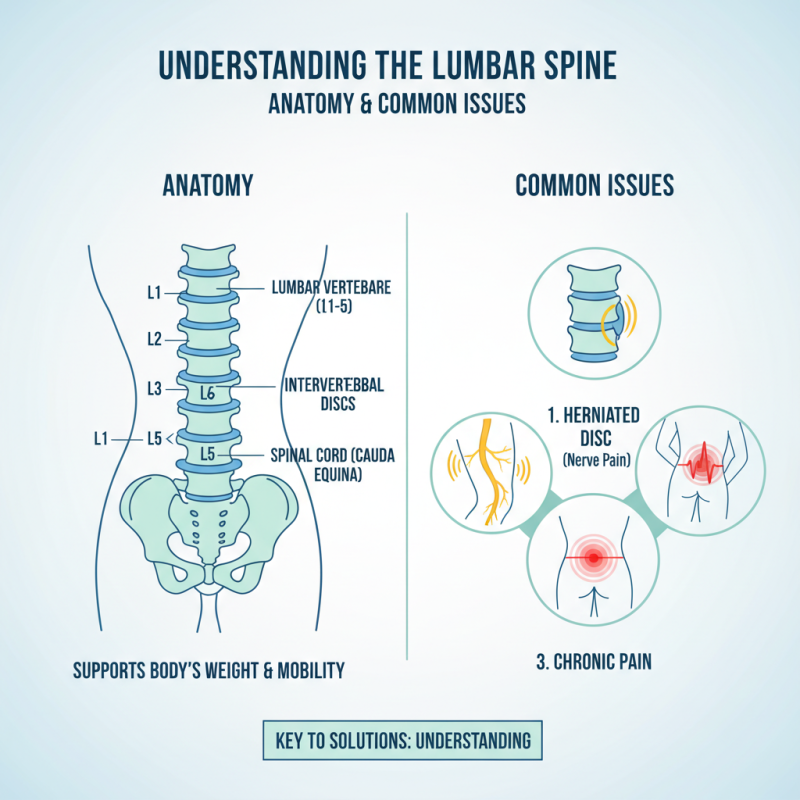
The lumbar spine consists of five vertebrae in the lower back. This region supports much of the body's weight and is crucial for mobility. Common issues include herniated discs, sciatica, and chronic pain. Understanding these conditions is key to finding effective solutions.
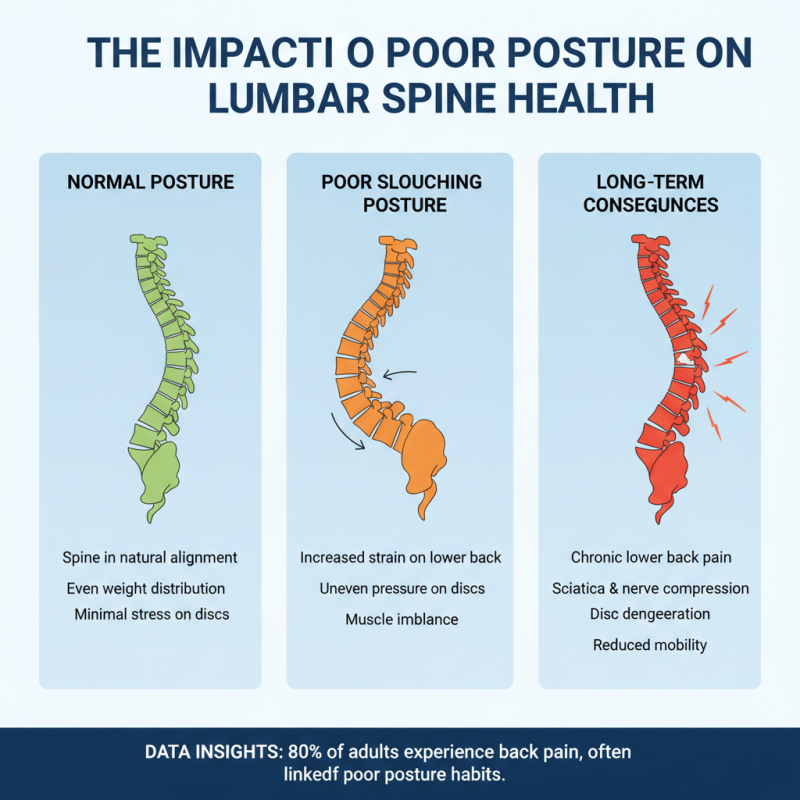
Anatomically, the lumbar spine allows for flexibility and movement. However, daily activities can lead to stress on this area. Sitting for long hours can weaken core muscles, exacerbating problems. Poor posture is another factor that contributes to discomfort. Identifying these contributing factors is essential for creating effective treatment plans.
It’s important to recognize that not all solutions work for everyone. Some may find relief in physical therapy, while others might need different approaches. Consulting with healthcare professionals can provide tailored advice. Engaging in regular exercise and maintaining a healthy weight can also help. Acknowledging personal limitations and seeking help when necessary is vital for long-term health.
Top Non-Invasive Treatments for Lumbar Spine Pain Relief
Lumbar spine pain affects millions worldwide. Non-invasive treatments are essential. Research shows that over 80% of people experience back pain at some point. Many seek relief without surgery.
Physical therapy is a primary method. A study found that 70% of participants reported significant pain reduction after consistent therapy sessions. A skilled therapist can tailor exercises to strengthen core muscles. This support can alleviate pressure on the spine.
Chiropractic care is another effective approach. A report by the American Chiropractic Association highlights that 90% of patients find relief through spinal manipulation. This method restores mobility and decreases inflammation.
**Tip:** Regular stretching helps maintain flexibility. Simple exercises can improve your range of motion.
Mindfulness and meditation also play crucial roles. A study indicates that participants practicing mindfulness saw a 50% decrease in chronic pain. Focus on your breath and body awareness for long-term relief.
**Tip:** Create a daily routine that includes breathing exercises. It can enhance mental clarity and reduce pain perception.
Incorporating these treatments can transform your back health. Consider trying variations to discover what works best for you. Remember, no single approach is perfect for everyone. Regular adjustments to your treatment can yield better results.
The Role of Exercise and Physical Therapy in Lumbar Spine Recovery
Exercise and physical therapy play crucial roles in lumbar spine recovery. Engaging in regular exercise helps strengthen muscles around the spine. Stronger muscles can provide better support and reduce pain. Gentle activities like walking or swimming are often recommended. They help maintain mobility without putting too much strain on the back.
Physical therapy focuses on personalized treatment plans. A trained therapist can assess your specific needs. They often incorporate stretches and strengthening exercises targeting the lumbar region. This targeted approach means you’ll likely recover more efficiently. Communication with your therapist is vital. If an exercise feels painful, let them know.
Tips: Start slow. Listen to your body. Even a few minutes of movement can be beneficial. Consistency is key. Simple activities can make a difference. Remember, improvement takes time. Celebrate small wins in your recovery journey.
Latest Surgical Options and Innovations for Lumbar Spine Disorders
Lumbar spine disorders significantly impact quality of life. New surgical options are emerging to address these challenges. Recent studies show that approximately 80% of adults experience lower back pain at some point. Surgical innovations aim to provide more effective solutions.
Minimally invasive techniques have gained traction. They reduce recovery time and muscle damage. According to a report by the North American Spine Society, patients often experience shorter hospital stays and quicker return to daily activities. For instance, some procedures allow surgeons to operate through small incisions, minimizing trauma to surrounding tissues.
Robotic-assisted surgeries are also transforming lumbar spine treatment. These advanced systems enhance precision and reduce complications. Data indicates that robotic assistance may improve surgical outcomes by 30%. Still, these technologies are not without challenges. Learning curves and access to training can hinder widespread adoption. Continuous evaluation and training are essential to maximize their benefits.