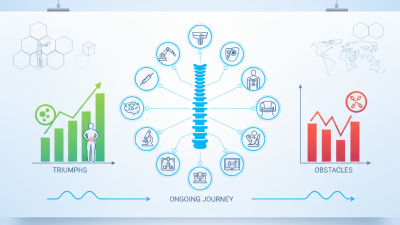
Minimally invasive spine surgery represents a significant advancement in treating spinal conditions. This innovative approach reduces recovery time and minimizes scarring. Patients often experience less pain and quicker returns to daily activities. Understanding the surgery process can alleviate anxiety and improve outcomes.
Preparing for minimally invasive spine surgery involves several important steps. Engaging with your surgical team is crucial. Ask questions and discuss concerns to feel more confident. Researching your surgeon's background can also enhance trust. It's essential to know their experience with this specific procedure.
Post-surgery care plays a vital role in recovery. Following your surgeon's instructions can greatly influence healing. Consider forming a support system to assist during recovery. Reflecting on this journey can lead to better understanding and appreciation of the surgery’s benefits. Embracing the experience can ultimately lead to a more successful outcome.

Minimally invasive spine surgery (MISS) offers several advantages over traditional open surgery. This technique uses smaller incisions, resulting in less tissue damage and quicker recovery. Surgeons often employ advanced imaging technologies, which provide precise guidance during the procedure. Patients typically experience less postoperative pain, reduced scarring, and shorter hospital stays.
Understanding MISS involves recognizing its limitations as well. Not every spinal condition is suitable for minimally invasive techniques. Complex cases may still require conventional surgery for optimal outcomes. The learning curve for surgeons can be steep, impacting the quality of care. Patients should seek qualified professionals with proven experience in performing MISS. Education and awareness are crucial when considering this option. Clear communication with your healthcare team can help set realistic expectations. This ensures you are well-informed about risks and benefits before proceeding.
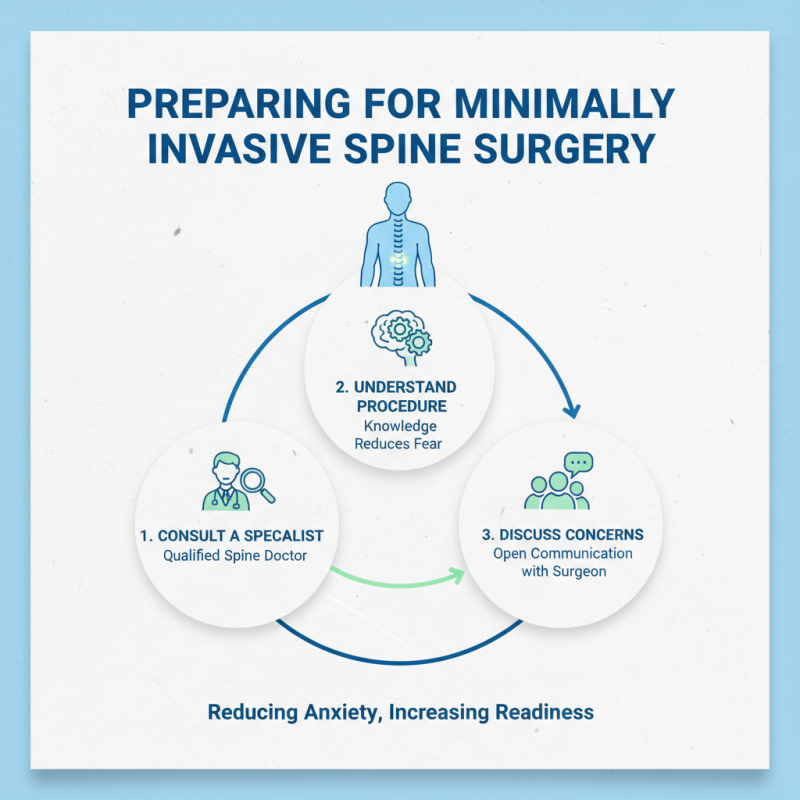
Preparing for minimally invasive spine surgery requires careful consideration. Start by consulting with a qualified spine specialist. Understand the specific procedure and its benefits. This knowledge is crucial. You’ll likely experience anxiety before the surgery. Open discussions with your surgeon can help alleviate these concerns.
Create a support network. Involve family and friends in your recovery process. They can assist you with daily tasks. It’s essential to follow pre-surgery instructions, such as dietary restrictions or medication guidelines. This preparation can significantly impact your recovery. Reflect on your physical and emotional readiness, as both are vital components.
Post-surgery, keep a journal of your recovery journey. This reflection can help you identify areas that need improvement. Listening to your body is key. If something doesn’t feel right, reach out for help. Adapting to new limitations might take time, so be patient with yourself. A proactive mindset will enhance your overall experience and recovery.
Choosing the right surgeon for minimally invasive spine surgery (MISS) is crucial for a successful outcome. According to a report from the North American Spine Society, patient satisfaction significantly correlates with surgeon experience. Look for a surgeon who not only specializes in MISS but also has demonstrated outcomes in similar procedures. Board certification in spinal surgery is a minimum qualification to consider. Furthermore, examining their track record can provide insight into their effectiveness.
When evaluating potential surgeons, ask about their approach to complications. How often do they occur in their practice? A study published in the Journal of Spine Surgery found that surgeons with higher complication rates tend to have less favorable outcomes. Transparency in discussing risks is a sign of a competent and ethical practitioner.
Another tip: consider their approach to patient education. A good surgeon will explain the procedure, recovery time, and expected outcomes clearly. They should encourage questions and take time to address concerns. A recent survey indicated that patients who felt informed before surgery reported higher satisfaction levels post-operation. Engaging effectively with your surgeon could enhance your overall surgical experience.
Post-operative care is crucial for a successful recovery after minimally invasive spine surgery. Focus on your pain management plan. Medications may be prescribed to help control discomfort. However, not every medication works for everyone. Tracking your pain levels helps you communicate effectively with your healthcare team. This ensures adjustments can be made promptly.
Movement is another vital aspect of recovery. Gentle walking is encouraged, but listen to your body. If pain is severe, resting is just as important. It is normal to feel a mix of emotions, including anxiety about your progress. Engage with your support system. Friends or family can provide encouragement, but remember that everyone's recovery journey is unique.
Follow-up appointments are essential. These visits allow your surgeon to monitor healing. If anything feels off or concerning, don’t hesitate to reach out. Reflect on your recovery strategies and assess what’s working. Adapting your approach may improve your experience. It’s okay to feel uncertain during this time. Trust the process and prioritize your health above all.
| Tip | Description | Post-Operative Care Step | Pain Management Technique |
|---|---|---|---|
| 1. Choose a Qualified Surgeon | Ensure that your surgeon specializes in minimally invasive techniques. | Follow pre-operative instructions closely. | Take prescribed medications as directed. |
| 2. Understand the Procedure | Discuss all aspects of the surgery with your doctor. | Prepare your home for recovery. | Utilize heat/cold therapy for pain relief. |
| 3. Plan for Recovery | Set aside time to rest and heal after surgery. | Rest when needed and avoid strenuous activity. | Stay ahead of pain by adhering to a medication schedule. |
| 4. Follow Dietary Recommendations | Maintain a balanced diet to support healing. | Hydrate well and eat nutrient-rich foods. | Consider nutritional supplements if advised. |
| 5. Engage in Light Activity | Start moving as soon as possible to promote circulation. | Gradually increase physical activity within safety limits. | Use prescribed pain relief methods before activity. |
| 6. Communicate with Your Medical Team | Keep your doctor informed about your recovery progress. | Report any unusual symptoms immediately. | Ask about adjustments to pain management options. |
| 7. Use Supportive Devices | Brace or supports may be necessary for recovery. | Follow guidelines for using any supportive devices. | Ensure comfort and support for less strain on pain areas. |
| 8. Get Enough Sleep | Rest is crucial for recovery. | Maintain a sleep schedule to promote healing. | Consider relaxed routines to ease into sleep. |
| 9. Avoid Smoking and Alcohol | These can impede healing and recovery. | Seek assistance if needed to quit. | Stay clear to ensure optimal post-operative condition. |
| 10. Attend Follow-Up Appointments | Schedule and attend all follow-up visits with your doctor. | Regular check-ups are vital to monitor recovery. | Discuss any ongoing pain or concerns. |
Minimally invasive spine surgery (MISS) offers significant benefits, but long-term success hinges on post-operative care. After surgery, a precise follow-up routine is vital. Regular check-ups with your healthcare provider can help monitor recovery. These appointments allow your doctor to assess healing and manage any complications early.
Engaging in appropriate activities post-surgery is crucial. Gentle exercises can aid strength and flexibility. Listening to your body is essential. Avoid overexertion, as pushing too hard may lead to setbacks. Meditation and mindfulness can also support mental recovery. Incorporating these practices enhances overall well-being, making the recovery process smoother.
Adhering to prescribed medications and therapies fosters optimal outcomes. Being consistent is not always easy; some days, motivation may wane. Remember, recovery is not linear. Set realistic expectations and celebrate small victories. Reflecting on your progress helps maintain a positive outlook during challenging times.