How to Find Collectible Whiskey Bottles for Your Collection?
In the world of spirits, Collectible Whiskey Bottles have become a fascination for many enthusiasts. With their unique history and craftsmanship, these bottles often tell a story that resonates with collectors. According to whiskey expert Michael B. Johnson, "Each collectible whiskey bottle is not just a drink; it is a piece of art and history." This insight captures the essence of whiskey collecting, revealing its depth beyond mere consumption.
Finding collectible whiskey bottles requires a keen eye and a bit of strategy. Knowing where to look is essential. Local distilleries, specialized auctions, and reputable online marketplaces are key hunting grounds. The thrill of discovering a rare bottle adds to the excitement. However, one must be cautious. Not every bottle holds true value, and some may carry a fabricated story.
The journey of building a collection can be filled with both joy and frustration. Some collectors find themselves stuck with bottles that do not appreciate in value over time. Others may realize that their personal preferences shift as their collection grows. Understanding the market and staying informed is crucial for any serious enthusiast. Collectible whiskey bottles can enrich your life, but careful consideration must guide your choices.
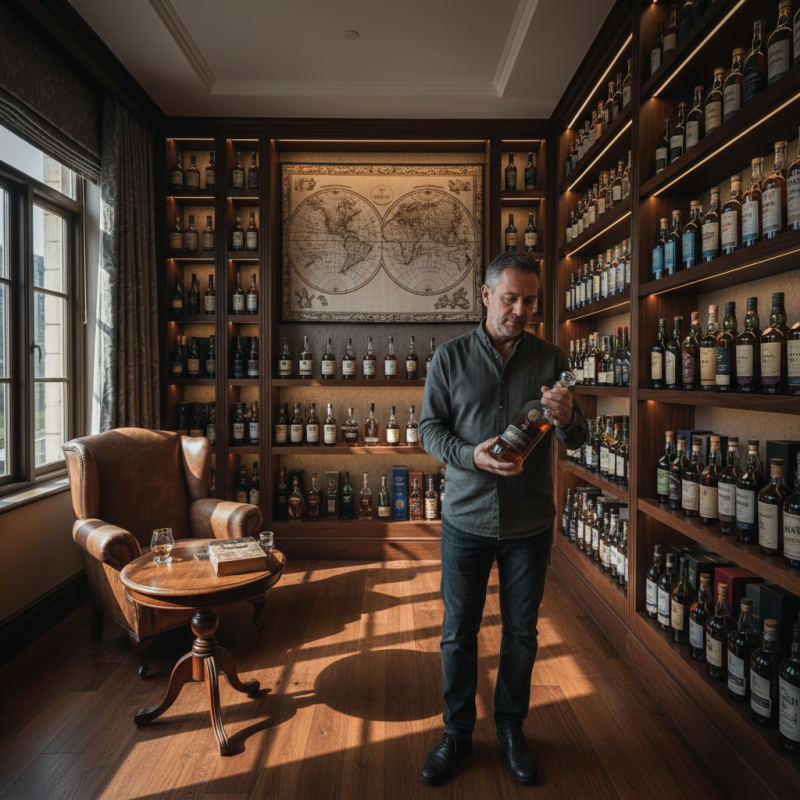
Understanding the Basics of Collectible Whiskey Bottles
Collecting whiskey bottles can be an exciting venture. To begin, grasp the essentials of what makes a bottle collectible. Factors include age, rarity, and condition. A limited annual release often garners more interest. According to industry reports, rare bottles can increase in value by as much as 300% over several years.
Condition is pivotal in determining value. Flaws can significantly diminish worth. Collectors often categorize bottles as “mint” or “good” based on their state. A recent study showed that condition accounts for nearly 70% of a bottle's market value. It's crucial to evaluate the packaging as well, as pristine boxes fetch higher prices.
Researching whiskey distilleries and their histories enhances your collecting acumen. Many valuable bottles come from distilleries with rich legacies. Still, not every sought-after bottle stems from the same timeline or region. Inconsistencies exist, and some may not appreciate in value as predicted. Knowledge and due diligence equip collectors to navigate this intricate market effectively.
Whiskey Bottle Price Trends Over the Years
This bar chart illustrates the average price of collectible whiskey bottles over a span of six years, showing a consistent upward trend in value. Collectors can use this insight to understand market movements and make informed decisions for their collections.
Identifying Key Factors That Determine Whiskey Value
When searching for collectible whiskey bottles, understanding the factors that determine value is crucial. Age is one of the most significant elements. Older bottles often command higher prices. Distillation date can affect rarity and desirability. However, not all old whiskey is valuable. Bottles in less-than-perfect condition may disappoint collectors. A cracked label or damaged seal lowers value, so meticulous inspection is vital.
Limited editions also attract collectors. Only a few bottles from a special release can create demand. Packaging plays a role too. Unique bottles or intriguing designs contribute to their charm. Yet, not every limited release will appreciate in value. Enthusiasts should research market trends. Sometimes, the excitement around a new release fades quickly, leaving it undervalued.
Provenance impacts a bottle’s story. Knowing its history can elevate worth. Documentation or previous ownership by a reputable collector can add prestige. Interaction within collector communities can provide insights. Engaging discussions may reveal information others overlook. However, not every conversation leads to a gem. Collectors must discern valuable advice from noise.
Researching Distilleries and Limited Edition Releases
When it comes to building a collectible whiskey collection, researching distilleries is essential. Each distillery has its own story, heritage, and unique production techniques. Visit their websites and read about their history. Look for their signature styles. Many distilleries release limited editions that may not receive immediate attention, which can be a goldmine for collectors.
Limited edition releases often come with intriguing packaging and unique flavor profiles. These bottles may represent special occasions or experimental batches. Attend whiskey tastings and industry events. Engage with distillery representatives. Their insights can guide you toward hidden gems. Social media platforms also offer glimpses into upcoming releases. Follow distillers and experts for the latest news.
However, not every limited release will appreciate in value. Some bottles may sit stagnant. It’s important to balance your passion with research. Consider trends and consumer preferences. Dive deep into reviews and collector discussions. This information will help you make informed decisions. Collecting whiskey is not just about the investment; it’s about the journey and the stories behind each bottle.
How to Find Collectible Whiskey Bottles for Your Collection?
| Distillery Name | Bottle Type | Release Year | Limited Edition | Estimated Value ($) |
| Distillery A | Single Malt | 2018 | Yes | 250 |
| Distillery B | Bourbon | 2020 | Yes | 300 |
| Distillery C | Rye Whiskey | 2019 | No | 150 |
| Distillery D | Blended Whiskey | 2021 | Yes | 400 |
| Distillery E | Single Grain | 2017 | Yes | 500 |
Exploring Online and Offline Resources for Purchasing
When it comes to finding collectible whiskey bottles, both online and offline resources offer unique advantages. Online marketplaces are a treasure trove for collectors. Reports indicate that online sales of collectible spirits have increased by 30% in recent years. Websites dedicated to whiskey auctions and sales provide access to rare bottles that might be hard to find in physical stores. It's essential to research the reputation of these platforms, as authenticity is a critical factor. Some notable auctions have seen bottles sell for over $100,000, showcasing the potential value hidden within your collection.
Visiting local liquor stores and specialty shops also holds significant value. Engaging with knowledgeable staff can lead to tips about upcoming releases or limited editions. In-person hunting can feel more rewarding as you examine bottles directly, assessing their condition. However, this process can be hit-or-miss. Not every visit yields a find, and sometimes, shops may not stock what you seek. Networking with fellow collectors at local events can provide insights into potential sales or trades. Market research shows that interaction within the collector community enhances awareness of trends and valuable acquisitions.
While both channels have their merits, each comes with uncertainties and challenges. Collectors may find themselves facing overwhelming choices online or disappointing selections offline. Balancing these methods is crucial for a diverse and valuable collection.
Networking with Other Collectors and Attending Tasting Events
Building a whiskey collection is an exciting journey. Networking with other collectors can lead to valuable insights and new finds. Connecting with enthusiasts allows you to share tips and explore rare bottles that pique your interest.
Attend local tasting events to broaden your knowledge. These gatherings provide a relaxed atmosphere for discussion. You'll meet seasoned collectors and industry experts, who often have unique stories about their prized bottles. Engaging in conversations can lead to mentorship opportunities and insider information.
Tips: Don't hesitate to ask questions. Most collectors enjoy sharing their knowledge. Keep a notebook handy to jot down important details. Attend events regularly, as the more you engage, the better your network becomes. Join online forums and social media groups to stay connected even outside events. Remember, patience is key. Building a collection takes time and reflection on your personal preferences. Be open to exploring different styles and brands; you may discover something unexpected in the process.
