Why You Should Prioritize Gynecological Disease Prevention Methods?
Gynecological health is crucial for women's overall well-being. Yet, many women overlook prevention methods. According to the World Health Organization, around 80% of women will experience a gynecological issue at some point in their lives. Proper Gynecological Disease Prevention methods can significantly reduce these risks.
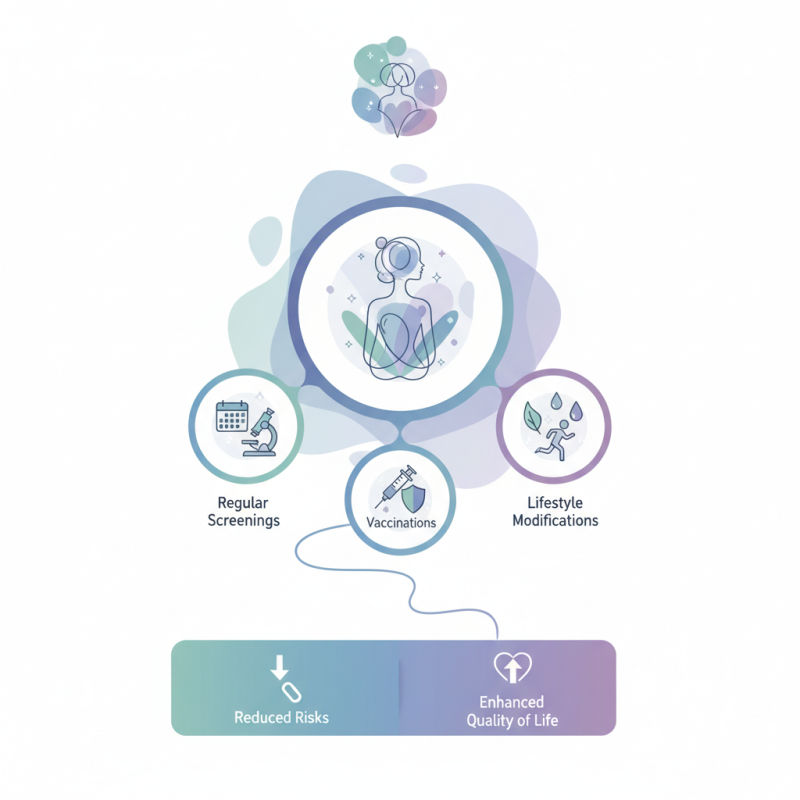
Preventive care includes regular screenings, vaccinations, and lifestyle modifications. The Centers for Disease Control and Prevention recommends annual exams for women over 21. However, not all women follow these guidelines. A survey by the American College of Obstetricians and Gynecologists found that nearly 50% of women skip annual check-ups.
Neglecting gynecological health can lead to severe consequences. Issues like cervical cancer and pelvic inflammatory disease can arise from lack of prevention. Using effective Gynecological Disease Prevention methods can save lives and enhance quality of life. It's vital to stay informed and proactive. Prioritizing gynecological health should not be an option, but a necessity.
Understanding Gynecological Diseases and Their Impact on Women's Health
Gynecological diseases can significantly impact women's health. Conditions like endometriosis, ovarian cysts, and cervical cancer are common. They can cause pain, discomfort, and long-term health issues. Studies show that many women endure these ailments without seeking help. This silence can lead to severe complications.
Regular check-ups play a crucial role in early detection. Doctors recommend annual gynecological exams for women over 21. These exams can identify issues before they become serious. Awareness of symptoms is also vital. Unusual bleeding, pelvic pain, or changes in menstruation should never be ignored. Being proactive is essential for prevention.
Education is a key element in addressing gynecological diseases. Many women lack proper knowledge regarding these conditions. Community outreach programs can fill this gap by offering workshops and resources. It’s important to initiate conversations about these topics. Breaking the stigma around gynecological health is necessary. Women must feel empowered to seek help and prioritize their well-being.
Importance of Early Detection and Regular Screenings
Gynecological health is often overlooked, yet it plays a vital role in overall wellness. Early detection of diseases such as cervical cancer and endometriosis is crucial. Regular screenings can identify issues before they escalate. For instance, Pap smears can detect precancerous changes in the cervix. This simple test can save lives.
Women often hesitate to schedule routine check-ups. Fear or embarrassment can hinder essential conversations with healthcare providers. It’s essential to overcome this barrier. Maintaining an open dialogue about symptoms or concerns can lead to better outcomes. Delay in diagnosis can worsen conditions and reduce treatment options.
Regular screenings empower women. Knowing one’s health status can provide peace of mind. It also encourages informed decision-making for personal care. Take charge of your health with proactive measures. The choice to prioritize gynecological screenings is a step toward a healthier future.
Why You Should Prioritize Gynecological Disease Prevention Methods? - Importance of Early Detection and Regular Screenings
| Screening Type | Recommended Age | Frequency | Importance of Early Detection |
| Pap Smear | 21 years | Every 3 years until 29, then every 5 years with HPV testing | Detects precancerous changes in the cervix. |
| HPV Test | 30 years | Every 5 years if normal | Identifies high-risk HPV types associated with cervical cancer. |
| Clinical Breast Exam | 20 years | Every 1-3 years until 39; annually from 40 | Early detection of breast abnormalities. |
| Mammogram | 40 years | Annually | Detects breast cancer early when it is most treatable. |
| Transvaginal Ultrasound | At physician's discretion | As recommended | Useful in detecting ovarian tumors. |
Lifestyle Changes That Support Gynecological Health
Maintaining gynecological health requires a proactive approach. Lifestyle changes play a critical role in disease prevention. A balanced diet is key. Include plenty of fresh fruits and vegetables. Whole grains and lean proteins nourish the body. Avoiding processed foods can reduce inflammation and support hormonal balance.
Regular physical activity is essential. Aim for at least 150 minutes of moderate aerobic exercise weekly. Activities like walking, swimming, or yoga improve mood and reduce stress. Stress often exacerbates health issues. Remember, finding a physical activity you enjoy makes it easier to stick with your routine.
Tips: Stay hydrated; drinking enough water can support your overall health. Regular check-ups with a healthcare professional can help catch potential issues early. Prioritize sleep; poor sleep can affect hormonal balance and overall well-being. Make these adjustments gradually, and don't be too hard on yourself if progress feels slow. Listen to your body and adjust as needed.
Gynecological Disease Prevention Methods: Impact of Lifestyle Changes
Preventive Measures: Vaccinations and Safe Practices
Preventive measures in gynecological health are crucial. Vaccinations like the HPV vaccine can prevent certain types of cancers. This vaccination is recommended for preteens but is beneficial for adults too. Understanding the importance of this vaccine can empower women to take charge of their health.
Safe practices also play a significant role. Regular screenings such as Pap smears can detect abnormalities early. Sexual health education is vital in reducing risks. Many women overlook their gynecological health, often neglecting doctor's visits. Creating awareness can help women make informed decisions.
Taking these steps involves commitment. Women should feel encouraged to seek medical advice. There may be barriers, such as fear or misinformation. Addressing these issues is essential to improve gynecological health outcomes. Effective communication with healthcare providers can lead to better prevention strategies. Embracing these practices is a journey worth taking.
Accessing Resources and Support for Women's Health Awareness
Accessing resources for women’s health is crucial. Gynecological disease prevention starts with awareness. Many women lack essential knowledge about their health. Regular check-ups can catch issues early. However, not everyone knows where to seek help. Health education programs can empower women. Workshops in local communities can provide valuable information.
Support networks play a significant role in awareness. Women can share experiences and advice. This dialogue fosters a sense of community. Healthcare providers should offer accessible literature. Many women may not feel comfortable asking questions. Resources must be straightforward and approachable.
There is a gap in the understanding of preventive methods. Some women remain unaware of simple lifestyle changes that promote health. Information should be tailored to different demographics. It’s important to recognize that barriers exist. Accessibility can be limited by socioeconomic status. Women should advocate for better resources in their communities. Prioritizing gynecological health is a collective responsibility.
