Top 10 Implant System Portfolio Choices for Dental Professionals?
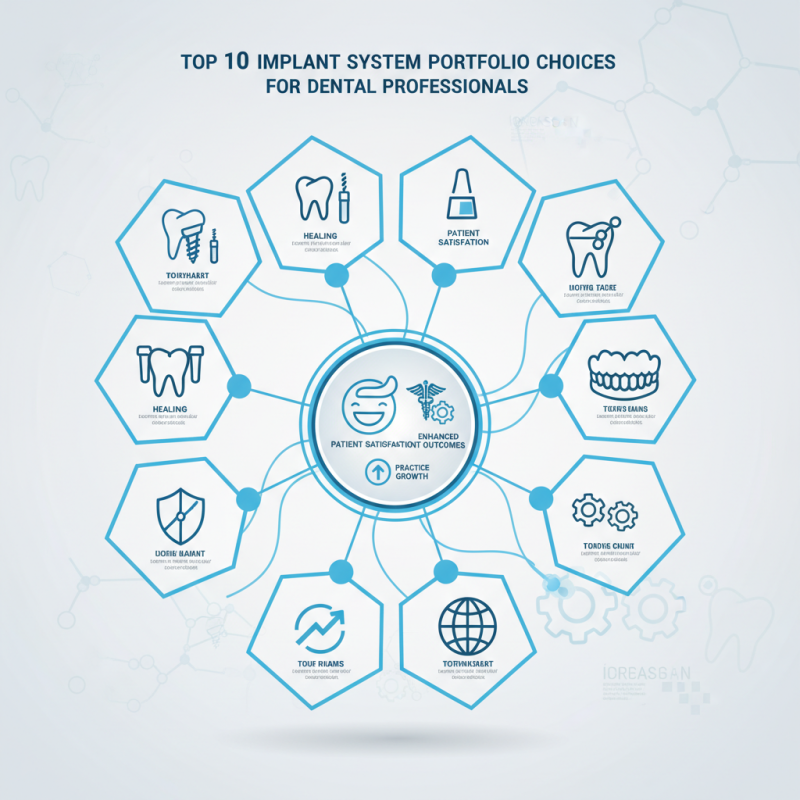
In the ever-evolving field of dentistry, the choice of an implant system portfolio is critical. Dental professionals must navigate a plethora of options, making informed decisions that align with their practice goals. Dr. Emily Chen, a renowned expert in dental implants, stated, "A well-curated implant system portfolio can enhance treatment outcomes and patient satisfaction."
Selecting the right system involves understanding various factors. Each implant system offers unique features, such as surgical protocols and material types. Professionals often face challenges when balancing cost and quality. Obsolete or poorly chosen systems can hinder practice growth and reduce patient trust.
As the importance of a robust implant system portfolio becomes apparent, dental professionals must evaluate their choices carefully. Innovations are frequent, making it essential to stay updated. An ideal portfolio should accommodate diverse patient needs while facilitating efficient clinical workflows. This ongoing evaluation can define the success of a dental practice in today's competitive landscape.
Overview of Dental Implant Systems
Dental implant systems are crucial for successful restorative dentistry. These systems vary widely in design, material, and surgical techniques. According to a report by the American Academy of Implant Dentistry, approximately 3 million Americans have dental implants, with a growth rate of about 500,000 annually. This indicates a demand for diverse implant options to cater to various clinical scenarios.
When selecting an implant system, factors such as bone quality, patient anatomy, and procedural techniques play significant roles. Not all systems are compatible with every case. A study published in the International Journal of Oral & Maxillofacial Implants highlights that more than 70% of dental professionals prefer systems with proven long-term success rates. This preference emphasizes the importance of reliability in complex cases.
Compatibility with advanced technologies is also a consideration. For instance, systems that integrate well with digital workflows tend to enhance precision. However, not every dental practice is equipped for digital solutions, leading to potential gaps in treatment outcomes. It's essential to evaluate the strengths and weaknesses of various implant systems critically. This reflection can guide professionals toward making informed choices that elevate patient care and treatment success.
Criteria for Selecting Implant Systems
Choosing the right implant system is crucial for dental professionals. Various criteria should guide this decision.
Biocompatibility, surgical protocol, and long-term success rates are key factors to consider.
Research shows that over 50% of implant failures stem from improper selection and usage. Reliable data can inform a more accurate choice.
The learning curve for different implant systems varies greatly. Some implants are easier to place but may lack predictability. A study highlighted that 30% of practitioners reported feeling inadequately trained for specific systems. This gap can lead to complications.
Additionally, understanding customer support and available resources is essential. A lack of support can hinder best practices.
Cost-effectiveness often plays a role in decision-making. However, the cheapest option is not always the best choice.
Data indicates that higher quality systems, although pricier, often yield better long-term outcomes. Balancing quality and affordability is a challenge many face.
Therefore, thorough research and education remain vital for every professional.
Top 10 Implant System Brands Reviewed
Choosing the right dental implant system can be complex. With over 300 brands in the market, selecting the best option is crucial. Recent reports indicate that about 45% of dentists struggle with brand selection. The right system can enhance treatment outcomes and patient satisfaction.
Many professionals rely on peer-reviewed studies and clinical trials. Research shows that implant systems with a proven success rate of 90% or more are preferred. Factors like ease of use, materials, and design impact their choice. A survey of 500 dental professionals revealed that 70% prioritize systems that provide excellent support for restorations.
Innovation continues to shape available options. New materials are being used to improve integration and reduce complications. However, inconsistency in product performance remains a concern. Some systems don't perform well across diverse patient profiles. Therefore, practitioners often find it necessary to reflect on their experiences and adapt their choices based on patient needs and evolving technologies.
Top 10 Implant System Portfolio Choices for Dental Professionals
| Implant Type |
Material |
Connection Type |
Availability |
Warranty Period |
| Bone Level |
Titanium |
Internal Hex |
Worldwide |
10 Years |
| Tissue Level |
Zirconia |
External Hex |
Regional |
8 Years |
| Mini Implant |
Titanium Alloy |
Internal Hex |
Local |
5 Years |
| Narrow Platform |
Titanium |
Internal Hex |
National |
7 Years |
| Wide Platform |
Zirconia |
External Hex |
International |
10 Years |
Comparative Analysis of Implant Materials
When selecting dental implant materials, professionals must consider biocompatibility. This ensures the body accepts the implant without adverse reactions. Titanium is the most widely used material due to its strength and durability. Its surface can be treated to enhance osseointegration, making it a reliable choice for many applications.
Zirconia is emerging as an alternative. It offers excellent aesthetics, particularly for anterior implants. However, its mechanical properties are still being studied. Some clinicians have reported issues with fracture resistance. The choice between titanium and zirconia can depend on each case's specific needs and the patient's overall health.
Resin-based materials are also gaining interest. They are light and easier to manipulate, but they may lack
long-term stability. There are mixed reviews regarding their performance in clinical settings. Dental professionals must weigh the
pros and cons of each material carefully. This decision impacts not only the
success rate of the implant but also the
long-term satisfaction of the patient.
Future Trends in Dental Implant Technology
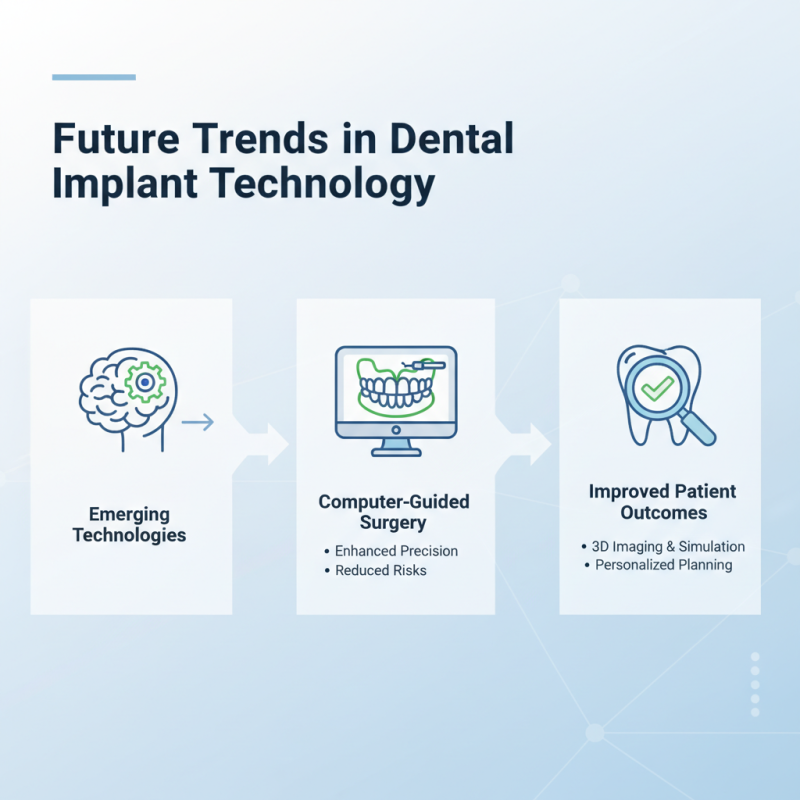
The dental implant industry is rapidly evolving. Emerging technologies are reshaping how professionals approach implant procedures. One significant trend is the development of computer-guided surgery. This technology enhances precision, reducing risks during placement. Dentists can now use 3D imaging and simulation to plan the best outcomes for their patients.
Another trend is the increased use of biomaterials in implants. Innovations in materials enhance integration and reduce rejection rates. Biocompatibility is crucial for long-term success. However, challenges remain in ensuring these materials meet all safety and efficacy standards. As professionals, we must remain vigilant and adaptable, continuously evaluating the materials in use.
Moreover, digital workflows will likely replace traditional methods. Dentists are adopting intraoral scanners for accurate impressions. This change improves patient experience and increases efficiency. Yet, not all practices have transitioned smoothly. Some dental professionals struggle with the learning curve associated with new technologies. Embracing these changes requires ongoing education and a commitment to improvement.