Top 10 Precision Surgical Instruments for Enhanced Medical Procedures?
In the ever-evolving field of medicine, precision surgical instruments play a crucial role. These instruments are designed to enhance accuracy and improve patient outcomes. Advances in technology allow for exceptional precision and reliability during surgical procedures. Surgeons rely heavily on these tools for intricate tasks.
Precision surgical instruments can include scalpels, forceps, and retractors, among others. Each tool has a specific role, contributing to the overall success of the operation. High-quality materials ensure durability and performance over time. However, the market is flooded with options. Selecting the right instruments can be challenging.
In this landscape, understanding the top 10 precision surgical instruments is essential. Medical professionals must evaluate their needs carefully. They should consider factors such as functionality, comfort, and ease of use. The effectiveness of surgical procedures often hinges on these choices. Ultimately, informed decisions lead to better surgical experiences for both doctors and patients.
Overview of Precision Surgical Instruments
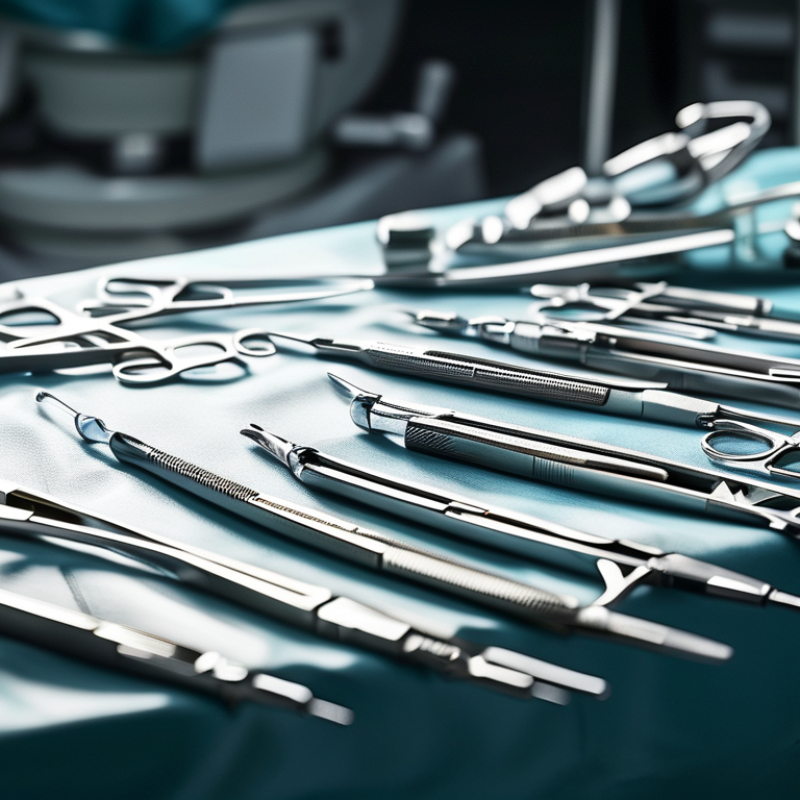
Precision surgical instruments are crucial for modern medical procedures. They help surgeons perform delicate tasks with higher accuracy. Instruments such as scalpels and forceps are designed to enhance control. They allow for intricate movements during surgery. This level of precision can reduce patient recovery time.
Advanced tools like minimally invasive devices can minimize trauma. These instruments often make smaller incisions, leading to less scarring. However, reliance on technology can also lead to issues. If not handled properly, even the most refined instruments can cause complications. Continuous training is essential for medical professionals.
Moreover, there’s a need to regularly assess the effectiveness of these instruments. Some may not perform as expected during procedures. Feedback from surgeries helps in refining instrument design. This iterative process is key to improving surgical outcomes. Precision in surgery is not just about the tools, but also about the skill of the surgeon. Each experience offers lessons for growth.
Key Features of Precision Surgical Instruments
Precision surgical instruments play a crucial role in modern medical procedures. These tools enhance accuracy and efficiency in surgeries, ultimately improving patient outcomes. Key features of these instruments contribute significantly to their effectiveness. Firstly, many precision tools are crafted from advanced materials such as stainless steel or titanium. These materials are known for their durability and resistance to corrosion.
In addition to material quality, ergonomic design is paramount. Surgeons require tools that allow for enhanced grip and control. According to a report by The Lancet, surgical precision is directly linked to instrument design. Instruments with non-slip grips can reduce the likelihood of mishaps during delicate procedures by up to 30%. Furthermore, precision instruments often incorporate advanced technology, such as integrated lighting and magnification, which aids visibility in complex operations.
However, not all surgical tools meet the high standards required. Many instruments fall short in terms of manufacturing consistency. Reports indicate that nearly 20% of surgical instruments are not calibrated accurately, leading to potential risks during procedures. Continuous monitoring and improvement of instrument quality are essential to ensure patient safety and surgical success. Investing in training for staff on the proper use and maintenance of these instruments can mitigate some risks.
Top 10 Precision Surgical Instruments and Their Applications
Precision surgical instruments play a vital role in modern medical procedures. These tools are designed for precision, safety, and effectiveness. Surgeons depend on their accuracy to perform intricate tasks. Instruments like scalpels, forceps, and needle holders are essential in various surgeries. Each tool serves a specific purpose, ensuring optimal outcomes for patients.
A scalpel, for instance, is indispensable for making incisions. Its sharp blade allows for clean cuts, minimizing tissue damage. Forceps are used to grasp, hold, or manipulate tissues during surgery. Their design varies, with some featuring serrated edges for improved grip. Needle holders are crucial for suturing wounds. These instruments secure needles firmly, providing stability during closure.
However, not all instruments are perfect. Some surgeons struggle with specific tools due to their design or functionality. For example, a heavy needle holder may cause fatigue during long procedures. Reflection on these experiences can lead to better instrument design or improved surgical techniques. Understanding the intricacies of each tool fosters growth and innovation in surgical practices.
Benefits of Using Precision Surgical Instruments in Medical Procedures
Precision surgical instruments play a crucial role in enhancing medical procedures. Their accuracy leads to better outcomes for patients. Surgeons benefit from tools designed for specific tasks. This reduces the risk of complications during operations.
Using precision instruments minimizes tissue damage. Surgeons can perform delicate maneuvers with greater control. This precision often results in shorter recovery times. Patients appreciate the benefits of smaller incisions and less trauma.
Tips for Choosing the Right Instruments:
1. Consider ergonomics. Tools should feel comfortable during long surgeries.
2. Look for instruments with enhanced visibility. They should allow clear sightlines to the surgical field.
3. Evaluate the material quality. Durable, high-quality materials last longer and maintain sharpness.
Reflecting on past practices, surgeons note the importance of continual learning. New technologies influence surgical techniques. Staying updated with advancements ensures better patient care. Precision instruments are an investment in both the surgeon’s skill and the patient’s health.
Top 10 Precision Surgical Instruments for Enhanced Medical Procedures
| Instrument Name |
Material |
Usage |
Benefits |
| Surgical Scissors |
Stainless Steel |
Cutting sutures and tissue |
Precision cutting with minimal tissue damage |
| Scalpel |
High-carbon Steel |
Incising skin and tissue |
Sharpness and control for delicate incisions |
| Forceps |
Titanium |
Grasping and holding tissues |
Enhanced grip and reduced tissue trauma |
| Needle Holder |
Stainless Steel |
Holding needles during suturing |
Stability and precision in suturing |
| Hemostatic Forceps |
Stainless Steel |
Controlling bleeding |
Effective blood flow management |
| Electrocautery Pencil |
Various (Insulated Metal) |
Cutting and coagulating tissue |
Precision control over bleeding during surgeries |
| Bone Saw |
High-carbon Steel |
Cutting bone |
Clean cuts minimizing fracture risk |
| Tissue Forceps |
Stainless Steel |
Manipulating soft tissue |
Reduced trauma and better control |
| Scissors for Surgical Stapler |
Stainless Steel |
Cutting staples |
Rapid closure of incisions with minimal effort |
| Trocars |
Stainless Steel |
Creating access points for instruments |
Minimally invasive access with precision |
Future Trends in Precision Surgical Instrumentation
The future of precision surgical instrumentation is bright, as innovation continues to reshape medical procedures. Surgeons are increasingly relying on advanced tools that enhance accuracy and efficiency. One trend is the rise of robotic-assisted surgeries, which allow for greater precision and control. These systems minimize human error and reduce patient recovery times.
Tips: Surgeons should embrace continuous education to stay updated on surgical tools. Attending workshops and conferences can provide insights into new technologies. Consider practicing with simulations to build confidence when using advanced instruments.
Another emerging trend is the integration of artificial intelligence. AI can assist in preoperative planning and intraoperative navigation. This technology aids in decision-making, ensuring that surgical teams can act swiftly. The surgical instruments of the future will likely include smart features that provide real-time data.
Tips: It's crucial to assess the learning curve associated with new instruments. Take time to understand their functionalities before operating. Feedback from colleagues can also be invaluable in enhancing your skills with these tools.