Why Spine Surgeon Collaboration is Essential for Effective Patient Care?
In the complex field of spinal surgery, "Spine surgeon collaboration" is paramount. Dr. Alice Johnson, a leading expert in the field, states, "Collaboration among spine surgeons improves outcomes and enhances patient safety." When surgeons work together, they bring diverse expertise to the table. This multidisciplinary approach often leads to more comprehensive care strategies.
Effective collaboration can address various challenges, from diagnosing complex conditions to planning intricate surgeries. With each surgeon contributing their unique insights, patient care becomes more thorough. However, the reality is that not all spine surgeons prioritize collaboration. Some may hesitate to engage with peers, leading to fragmented care.
Patients can feel the impact of these dynamics. A lack of cooperation may result in misinformation or inconsistent treatment plans. Therefore, fostering a culture of spine surgeon collaboration is not just beneficial; it is essential for improving patient outcomes. Ensuring that all members of the surgical team communicate effectively can transform the patient experience.
The Importance of Multidisciplinary Teams in Spine Surgery
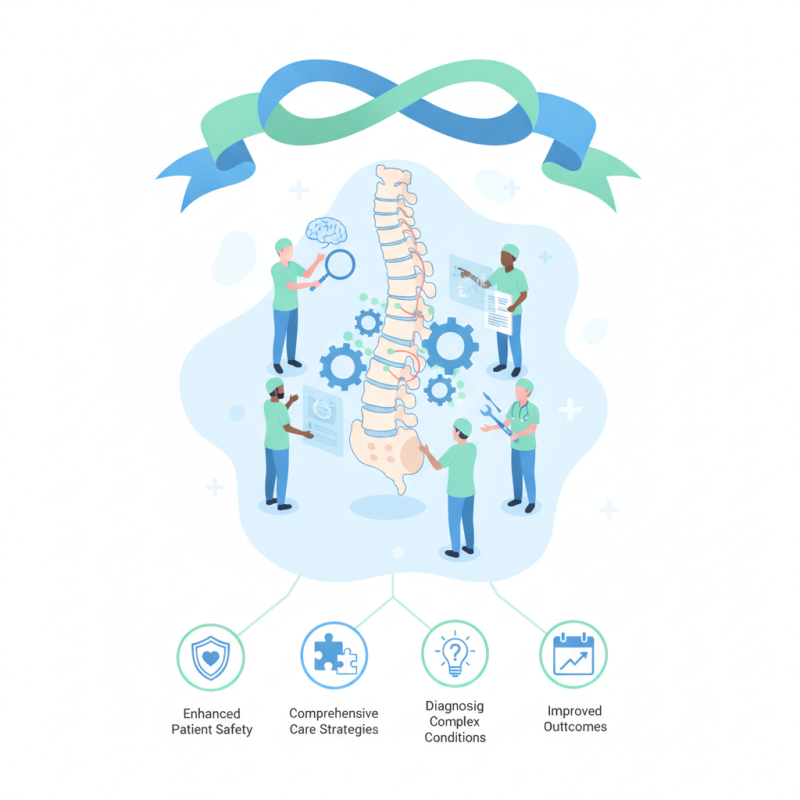
Effective patient care in spine surgery hinges on collaboration among various specialists. The multidisciplinary team approach brings together neurosurgeons, orthopedic surgeons, physical therapists, and radiologists. This diverse expertise ensures that multiple perspectives shape patient treatment plans. Each team member contributes unique insights that enhance decision-making processes.
Communication is key within these teams. Regular meetings and case discussions create a forum for sharing ideas and addressing complications. This open dialogue can lead to innovative solutions. However, challenges exist, such as differing opinions and varying priorities among specialists. Balancing these views requires patience and a commitment to patient-centric care.
In complex cases, involving different specialists early can prevent potential pitfalls. Patients benefit when surgical and non-surgical options are simultaneously evaluated. Yet, it is essential to recognize the potential for conflicting recommendations, which may confuse patients. Ongoing education among team members fosters a better understanding. An informed team is more likely to provide reliable, comprehensive care.
Why Spine Surgeon Collaboration is Essential for Effective Patient Care? - The Importance of Multidisciplinary Teams in Spine Surgery
| Dimension |
Description |
Impact on Patient Care |
| Communication |
Regular updates among team members about patient status and treatment plans. |
Improves understanding of treatment strategies and enhances patient outcomes. |
| Expertise Sharing |
Different specialists contribute unique insights from their fields. |
Leads to more comprehensive care and better management of complex cases. |
| Patient-Centered Approach |
Focus on individual patient needs and preferences through team discussions. |
Enhances patient satisfaction and adherence to treatment plans. |
| Shared Decision Making |
Involves patients in choosing treatment options with the team’s guidance. |
Empowers patients leading to better engagement and outcomes. |
| Coordinated Care |
Seamless integration of care across multiple specialties to manage all aspects. |
Reduces complications and ensures holistic treatment. |
Benefits of Collaborative Decision-Making in Patient Treatment
Collaboration among spine surgeons is crucial for effective patient treatment. When specialists come together, they pool their knowledge. This leads to comprehensive evaluations and tailored treatment plans. Each surgeon brings unique insights, enhancing the overall decision-making process.
Working in teams allows for diverse perspectives. This can help identify potential complications early. For instance, a complex case may require input from a pain management expert or a rehabilitation specialist. This integrated approach can lead to better outcomes. Collaborative decision-making often results in increased patient satisfaction.
However, it's essential to recognize the challenges. Differences in opinion can lead to conflicts. Time constraints may hinder effective communication. Regular meetings and open discussions are necessary to address these hurdles. Ultimately, fostering a culture of collaboration can improve the quality of care and patient trust in the healthcare system.
Coordinating Care: A Key Factor in Surgical Success
Collaboration among spine surgeons is vital to ensure effective patient care. Coordinating care involves multiple specialists. These may include surgeons, anesthesiologists, and rehabilitation experts. Each team member plays a unique role. When they work together, they create a comprehensive treatment plan. This improves patient outcomes, reducing complications.
Effective communication among surgeons fosters trust. It allows for sharing of critical patient information. Surgeons can discuss their findings and treatment options openly. This leads to better decision-making. However, not all teams communicate effectively. Some may struggle with scheduling conflicts or differing opinions. Addressing these issues is necessary. It enhances the overall quality of care for patients.
Patient-centered care is the goal. When spine surgeons collaborate, patients receive tailored treatment options. They benefit from diverse insights and expertise. Yet, conflicts can arise. Personalities might clash, leading to tension. Navigating these challenges requires patience and understanding. Open dialogues can break down barriers. Ultimately, this collaboration is key to achieving surgical success and improving patient experiences.
Enhancing Patient Outcomes Through Collective Expertise
Collaboration among spine surgeons is crucial for improving patient outcomes. Each surgeon brings unique expertise to the table. When they work together, they enhance the quality of care. This teamwork allows for a comprehensive view of complex cases. Different perspectives lead to better decision-making. The combined experience minimizes risks and complications during surgeries.
Patients benefit from diverse insights. A collaborative approach fosters innovation in treatment strategies. Techniques are refined through shared knowledge. Surgeons can learn from each other's successes and failures. This creates a culture of continuous improvement. However, communication between specialists can sometimes falter. Misunderstandings may occur, affecting patient care. It’s essential for teams to prioritize open dialogue.
Regular case discussions can bridge these gaps. Patients receive a more personalized treatment plan. Each decision is well-informed, considering all angles. This method not only boosts confidence but also reduces anxiety. The focus remains on what matters most: delivering effective care that enhances recovery. This collaboration isn't always easy, but it is necessary. Reflecting on both strengths and weaknesses can lead to meaningful change.
Impact of Spine Surgeon Collaboration on Patient Outcomes
Addressing Complex Spine Conditions with Team-Based Approaches
Complex spine conditions require intricate solutions.
Collaboration among spine surgeons is crucial. Research shows that team-based approaches improve patient outcomes.
In a study by the American Academy of Orthopaedic Surgeons,
multidisciplinary teams reduced complication rates in spine surgery by 30%.
Such statistics highlight the benefits of shared expertise.
Effective communication is vital. Each surgeon brings unique skills. Together, they can devise comprehensive treatment plans.
A case study from the Journal of Neurosurgery revealed that patients involved in collaborative care experienced a
25% decrease in recovery time. This reflects the power of teamwork in addressing multifaceted spinal issues.
Tip: Encourage patients to ask about the surgical team's composition.
Knowing the expertise of each member can enhance trust.
Surgeons often face challenges in coordinating care. Different specialties may have varying approaches to treatment.
Yet, overcoming these hurdles can lead to better results. Reflecting on past cases where collaboration fell short helps improve future practices.
Team-based strategies foster a holistic view of patient health.
Tip: Regular interdisciplinary meetings can streamline communication.
These gatherings ensure everyone is on the same page, enhancing patient care.