Choosing among China’s Titanium 3D printed implants manufacturers requires more than comparing polished product photos. Buyers need to examine implant design, material traceability, manufacturing controls, inspection records, and clinical experience. A porous titanium spinal cage may look precise on screen, yet its internal structure and surface finish still need careful validation. Details matter.
Additive-manufacturing specialist Dr. Mohsen Seifi has emphasized the importance of standards and qualification in metal additive manufacturing. His core message is clear: reliable production depends on controlled processes, not just advanced printers. That principle is especially relevant for medical implants, where consistency must be demonstrated across production batches. A supplier should be able to explain how it monitors powder quality, printing parameters, post-processing, and dimensional inspection. Ask for evidence, not broad assurances.
This guide compares Chinese manufacturers through practical criteria, including titanium expertise, design support, quality systems, and communication with overseas buyers. It also considers whether a company can provide clear documentation and explain its limits. No single ranking can replace independent due diligence. That deserves a closer look. A strong manufacturer may still be the wrong fit for a particular implant, market, or clinical workflow. The comparison is a starting point, not a substitute for technical review or professional judgment.
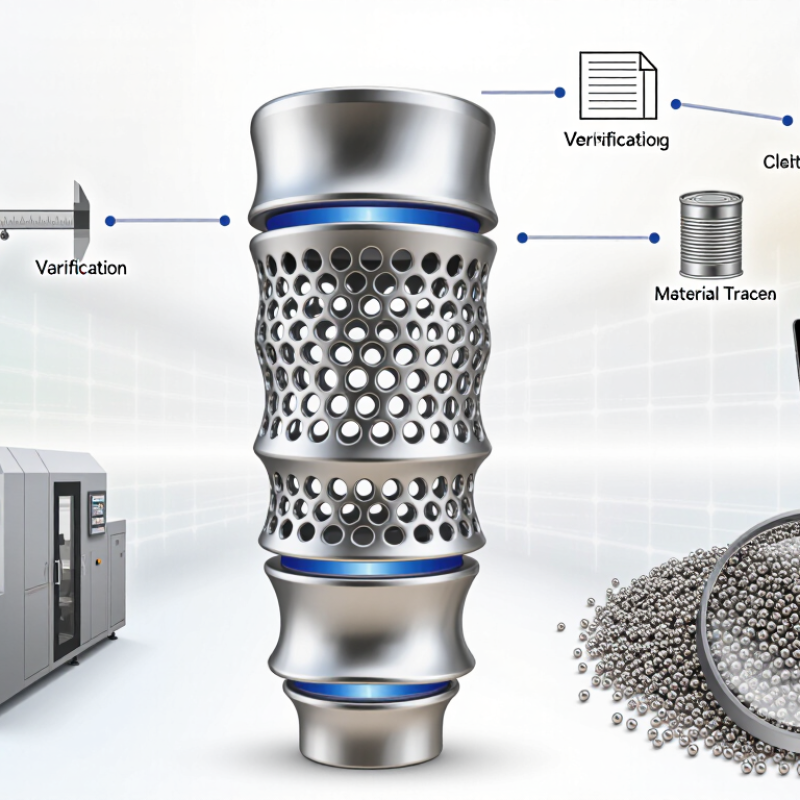
A titanium 3D-printed implant is a medical device made by building titanium material layer by layer from a digital design. Unlike a solid part machined from a block, it can include carefully shaped surfaces, internal channels, or porous sections. These features may help reduce weight and support bone attachment, depending on the implant design and its intended use. Not every implant needs a porous structure.
Metal powder is commonly fused with a focused energy source, then the printed part is cleaned, inspected, and finished. Small details matter: a rough surface, trapped powder, or slight dimensional error can affect performance. It is not magic. The design is clever, but printing alone does not prove an implant is safe or suitable.
Performance also depends on the titanium material, manufacturing controls, testing, and clinical evaluation. A patient-specific shape may match a scan closely, yet the fit still needs careful review by qualified professionals. Porosity can encourage bone interaction, but it can also make cleaning and quality checks more demanding. That trade-off deserves attention. For patients, the key question is not whether an implant is 3D printed, but whether its design and evidence fit the clinical need.
Titanium implants begin with a design based on medical imaging and clinical requirements. Engineers convert scan data into a digital model, then adjust its shape, fit, and porous structure. Small pores can encourage bone to grow into the implant, but their size and layout need careful control. A model is not a finished medical device.
In metal 3D printing, a machine spreads thin layers of titanium powder across a build platform. A laser or electron beam fuses selected areas, layer by layer, often inside a controlled atmosphere. The printed part is then separated from its supports and may receive heat treatment to reduce internal stress. The process takes time. Tiny defects still matter.
Tips: Ask how the manufacturer checks powder quality, dimensions, and internal defects. Look for documented inspection and sterilization steps. A polished surface may look reassuring, but appearance alone cannot confirm safety. After printing, manufacturers may machine contact surfaces, remove loose powder, and inspect the implant using suitable methods such as imaging or dimensional measurement. Production controls and clinical review remain essential; no printing method guarantees a perfect result.
In China, titanium implant production involves several kinds of companies. Medical-device manufacturers develop and produce finished implants, such as spinal cages, trauma plates, and dental components. They manage design controls, clinical evidence, quality systems, and product traceability.
Some operate metal powder-bed fusion equipment in-house. Others work with contract manufacturers that print parts to specification. These specialists may handle titanium powder, build preparation, heat treatment, support removal, and surface finishing. The roles overlap, but they are not interchangeable.
Equipment and materials suppliers form another part of the ecosystem. They provide printers, qualified titanium powder, and process support, but supplying a machine or material does not make a company an implant manufacturer.
The Wohlers Report 2024 estimated global additive manufacturing industry revenue at about $20.0 billion in 2023, up 11.1% year over year. That figure covers many industries, not medical implants specifically. It shows a growing production landscape, not proof of clinical performance.
Buyers should examine material traceability, validated cleaning, fatigue testing, and porous-surface inspection. Look closely. A well-printed implant can still fail if post-processing or quality documentation is weak. Even a tidy supplier map may oversimplify how responsibilities are shared.
Comparing Chinese titanium implant manufacturers starts with process evidence, not polished product photos.
Ask which titanium grade is used, how the powder or feedstock is traced, and whether each production lot has a material certificate. Details matter. For 3D-printed parts, review build orientation, support removal, heat treatment, and surface-finishing records. These steps can affect pore geometry and surface consistency. Ask about inspection methods, including dimensional checks and suitable porosity or density testing. A reliable answer should include controlled records, not only verbal assurances.
Then compare quality systems and product-specific experience. Request examples of design controls, nonconformance handling, change management, and batch traceability. Ask how cleaning is validated and how the manufacturer supports sterilization compatibility; do not assume these processes are interchangeable. Not just brochures. Check whether its documentation fits the destination market and device category, and ask qualified regulatory staff to verify current requirements.
Communication is part of the assessment: can engineers clearly explain a tolerance or corrective action? Request a sample inspection report and, where practical, conduct a technical audit. Price and lead time matter, but unusually short schedules deserve questions. I would not rank suppliers from a single sample; one part cannot reveal routine process variation. That shortcut is imperfect, but worth remembering.
When comparing China-based titanium implant manufacturers, check whether each certificate covers the actual production site and processes used for your device. ISO 13485 addresses medical-device quality management, but a certificate alone does not prove that a specific implant is well controlled. Confirm its scope, issuing body, and current validity. Ask for documented risk-management practices aligned with ISO 14971.
For a porous, additively manufactured implant, request material and process records, not just a polished brochure. These may include powder-batch traceability, machine parameters, build records, and post-processing controls. ASTM F3001 is relevant to additive manufacturing of Ti-6Al-4V ELI parts; check whether the claimed standard fits the material and process. Ask how the manufacturer verifies dimensions, porosity, surface condition, and cleaning. Small details matter.
Biological evaluation should be supported by evidence appropriate to the finished device, with ISO 10993-related testing or rationale where applicable. Request lot-level inspection results and clear handling of nonconformities. A certificate can look reassuring. It can also leave gaps. One useful question is whether test reports match the implant design and manufacturing route you intend to purchase. Independent audits and traceable records provide stronger evidence than broad claims, though paperwork cannot replace technical review.