China has become an important manufacturing center for spinal care products, including cervical stabilization technology. Its leading manufacturers support hospitals, distributors, and medical device partners worldwide. However, “top” should not mean the largest factory or the lowest quoted price. It should reflect clinical understanding, engineering control, and dependable service.
This introduction examines Chinese manufacturers that develop cervical plates, screws, cages, fixation systems, and related surgical instruments. Attention will be given to material selection, anatomical design, imaging compatibility, and production consistency. A reliable supplier should provide clear technical files, traceable batches, validated processes, and evidence supporting product performance. Factory audits also matter. Clean assembly areas, calibrated instruments, and documented inspections reveal more than polished brochures.
Details matter greatly. A surgeon may need a plate that sits close to the vertebral surface. A hospital may require predictable packaging and fast replacement support. These practical points influence patient safety and operating-room efficiency. Manufacturers should also demonstrate experience with regulatory submissions and post-market monitoring. Certifications alone are not enough. They need context.
Some comparisons remain difficult. Public information can be incomplete, translated poorly, or presented without independent verification. Therefore, this overview does not treat marketing claims as proven facts. Buyers should request current certificates, test reports, clinical references, and sample evaluations before making decisions. The strongest companies may still have weaknesses, such as limited international support or uneven documentation. That deserves honest review. A careful assessment can help readers identify manufacturers with credible expertise, stable quality systems, and the potential to become long-term partners.
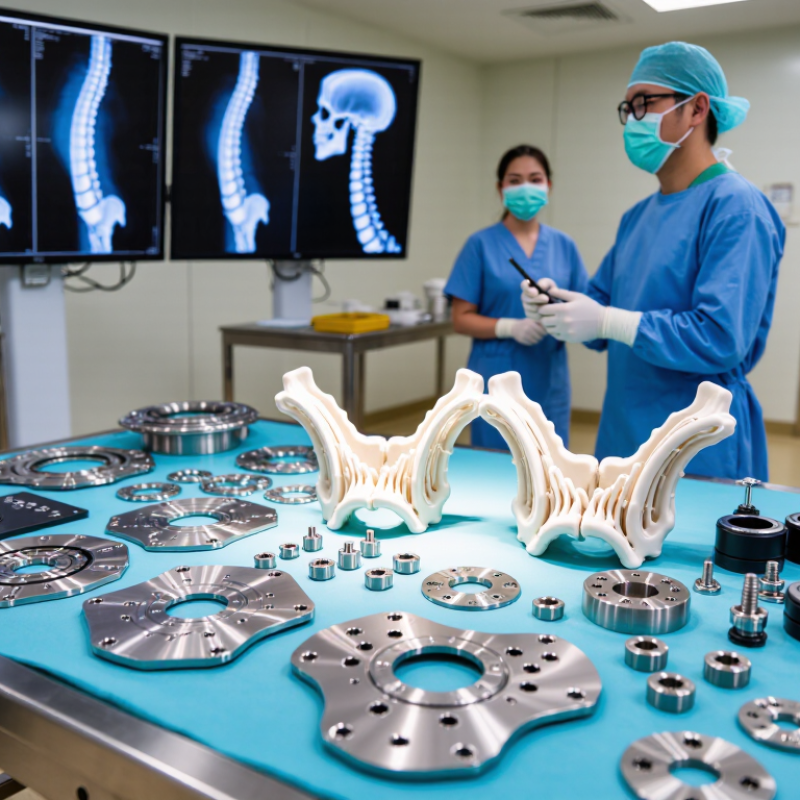
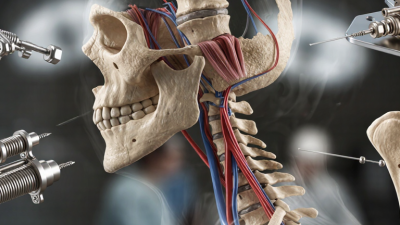
Cervical stabilization systems support the spine after decompression, trauma treatment, or reconstruction. They may include plates, screws, interbody cages, rods, or posterior fixation components. Their purpose is mechanical stability, restored alignment, and protection of neural structures during healing.
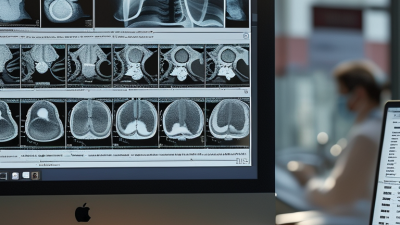
Clinical performance requires more than attractive implant designs. Surgeons and procurement teams should review fusion rates, subsidence, screw loosening, alignment changes, neurological outcomes, revision rates, and patient-reported pain scores. Follow-up timing also matters. A six-month result cannot replace longer observation. Radiographs, CT scans, and validated functional questionnaires provide different evidence. No metric tells the whole story.
Tips: Check whether clinical data match the intended indication, surgical approach, and patient population. Ask for sample sizes, follow-up duration, adverse-event definitions, and independent evaluation. Manufacturing quality should include traceability, material verification, dimensional inspection, and sterilization controls. Experienced clinical teams can explain how the system behaves in real operating conditions, including difficult anatomy and revision cases. A polished brochure is not evidence. That gap matters. Even strong results may reflect careful patient selection, so interpretation should remain cautious.
China’s leading cervical stabilization manufacturers should be assessed through evidence, not catalog size. NMPA classification, registration testing, and post-market surveillance records reveal how manufacturers control risk. For cervical plates, screws, and fixation systems, reviewers should examine fatigue testing, material certificates, packaging validation, and complaint handling.
ISO 13485 matters because it connects design controls with production records and corrective actions. The ISO Survey 2022 reported more than 31,000 valid ISO 13485 certificates worldwide, showing broad adoption of the quality framework. Certification alone proves little. Auditors should verify scope, certificate validity, manufacturing sites, and recent nonconformity records. Small gaps matter.
FDA evidence requires a separate level of discipline. A manufacturer seeking United States access should map its device to applicable 510(k) requirements, recognized consensus standards, and biocompatibility expectations. FDA’s 2023 CDRH reporting continues to emphasize benefit-risk analysis, real-world performance, and complete technical submissions. Public FDA databases can help verify clearance pathways and adverse-event histories. Evidence must match the exact design, not a similar product. That distinction is often missed. No factory is flawless, and some supplier audits remain too narrow. Buyers should request lot traceability, sterilization records, test reports, and examples of completed corrective actions before calling any manufacturer “top.”
China’s leading cervical stabilization manufacturers should be ranked by clinical evidence, not production scale alone. Fusion rates deserve priority, but the definition matters. A solid fusion at 12 months is different from one confirmed after two years. Independent imaging review strengthens confidence. Surgeon experience also affects placement accuracy and patient selection.
Subsidence data should report implant height loss, endplate damage, and reoperation rates. ROM findings need clear measurement methods, including flexion-extension radiographs and follow-up timing. A device preserving motion may still perform poorly if patients develop pain or adjacent-level disease. Revision data offers a harsher test. It reveals failures that early marketing claims may overlook. The strongest manufacturers usually provide multicenter follow-up, transparent patient numbers, and consistent outcome definitions. Small studies can look impressive. They can also mislead.
A practical ranking would score fusion durability, low subsidence, maintained ROM, and revision avoidance separately. Weighted scoring is useful, but not perfect. Hospital case mix can distort comparisons. Older patients and multilevel procedures face higher risks. Some Chinese datasets remain incomplete or difficult to compare across centers. That limitation deserves attention. Buyers should examine peer-reviewed studies, regulatory filings, radiographic protocols, and post-market surveillance records. Independent clinical review is essential before procurement. The most reliable manufacturer is not necessarily the one with the highest single number. Evidence quality matters more than polished tables.
China’s cervical stabilization manufacturers now offer several implant paths, but design differences matter more than marketing language. ACDF plates provide anterior support and help maintain alignment after fusion. Their profile, screw angle, and locking mechanism affect soft-tissue irritation and surgical handling. Cages restore disc height and may use titanium, PEEK, or porous structures. A cage must balance subsidence resistance with bone integration.
Disc prostheses aim to preserve motion instead of creating fusion. Their success depends on patient selection, facet condition, sizing, and accurate placement. They can be attractive for younger patients, but they are not automatically superior. Long-term evidence and revision planning still deserve close review. Small details matter.
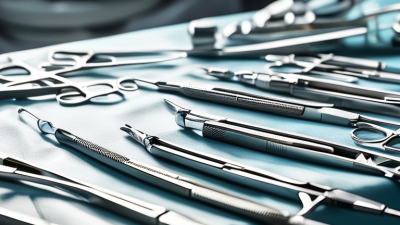
3D-printed implants add controlled porosity, lattice structures, and patient-specific geometry. These features may improve bone contact, but manufacturing consistency remains critical. Surface roughness, dimensional accuracy, fatigue performance, and sterilization records require independent verification. In factory evaluations, I would inspect quality systems, material traceability, imaging data, and clinical follow-up—not only product samples. My earlier assumption was that complex printing always meant better integration. That view was too simple. A well-made conventional cage may suit one case better. Surgeons and hospitals should compare peer-reviewed evidence, regulatory documentation, surgical instruments, and after-sales support. A reliable manufacturer should explain limitations clearly, including uncertain outcomes and revision risks.
Selecting China’s cervical stabilization manufacturers requires clinical proof, not attractive catalogs. The World Health Organization estimated 660,000 new cervical cancer cases and 350,000 deaths worldwide in 2022. That burden highlights the need for dependable spinal care, although it does not validate any implant. Review peer-reviewed studies with at least two years of follow-up. Check fusion rates, subsidence, revision surgery, neurological outcomes, and patient-reported pain scores. Trial registration and transparent adverse-event reporting matter.
Capacity should be verified on the factory floor. Examine CNC machining, surface treatment, sterilization validation, and batch-level traceability. Request nonconformance records and corrective-action timelines. A large production claim proves little. The manufacturer should also show contingency plans for critical materials and testing equipment. Patent volume needs caution. WIPO reported 1.64 million patent applications from Chinese residents in 2023, across all technologies. That figure shows strong innovation activity, but it does not prove clinical superiority. Review granted patents, claim relevance, freedom-to-operate opinions, and whether inventions improve fixation or imaging compatibility.
Export experience adds another practical filter. UN Comtrade uses HS 9021 for many orthopaedic products, so its figures are broad rather than cervical-specific. Ask for destination-country registrations, customs records, complaint trends, and recall histories. Export certificates alone are insufficient. I would still hesitate when a supplier presents many patents but few independent clinical papers. That gap deserves scrutiny. A careful assessment should compare audited capacity, evidence quality, and post-market behavior instead of rewarding polished presentations.